Best Flooring Options for Retail Stores: 7 Materials
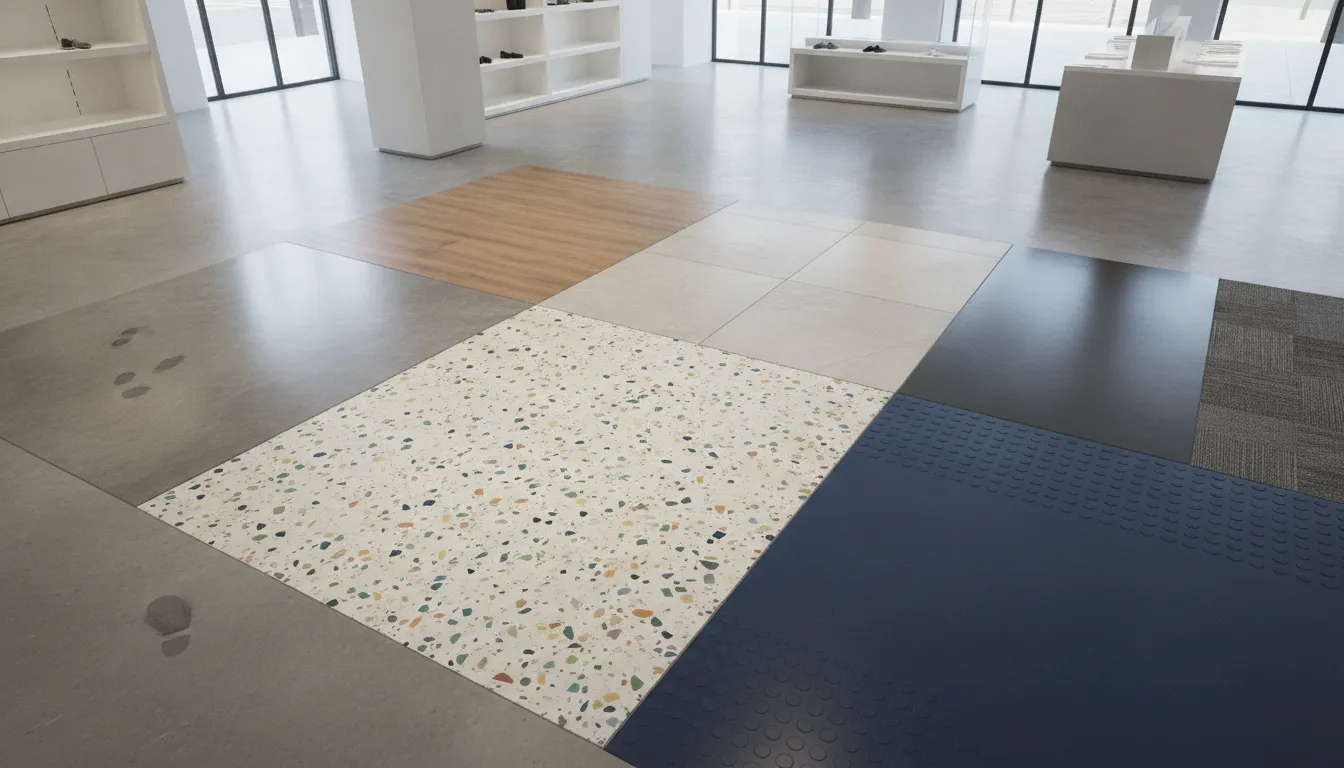
The flooring that works in a fitting room may not be right for a store entrance. Each zone has its own needs: entrances collect moisture and grit, checkout counters see steady foot traffic, and stockrooms may need to withstand carts and heavy items. To find the best flooring options for retail stores, look at how people use each area, what spills are likely, and how much time your team can spend on cleaning. You’ll also want to consider traction, comfort, and how the finish works with your displays and lighting. Epoxy and polished concrete are two commercial options worth comparing with softer materials, especially when you want a floor tailored to the space.
Key Takeaways
- Choose flooring by zone: Match each area’s finish to its foot traffic, moisture exposure, traction needs, and cleaning routine.
- Look beyond the installation quote: Compare upkeep, repairs, durability, and downtime to understand the floor’s long-term value.
- Get the concrete assessed first: Ask a commercial flooring contractor to inspect the slab and recommend an epoxy or polished concrete system suited to your store.
What Are the Best Flooring Options for Retail Stores?
The best flooring for a retail store depends on how the space is used. A boutique may need a warm, polished look, while a grocery store or café may need a surface that handles spills and frequent cleaning. Entrances, fitting rooms, checkout areas, and stockrooms also face different demands, so one material may not suit every zone.
Compare your options by durability, traction, comfort, maintenance, and appearance. Consider how much foot traffic the store gets, whether carts or heavy fixtures will move across the floor, and how staff will clean it. Upfront price matters, but so do repair needs and how often the floor may need replacement.
The condition of the existing floor is another important factor. Epoxy and polished concrete, for example, depend on proper concrete preparation and a finish suited to the space. A commercial flooring contractor can assess the surface and help match a flooring system to your store’s daily needs. These options range from softer surfaces like carpet and vinyl to durable finishes such as commercial epoxy flooring and polished concrete.
Vinyl Offers Comfort and Moisture Resistance
Luxury vinyl plank (LVP) can create a wood-like look with less upkeep than natural hardwood. It comes in a wide range of colors and finishes, and its softer feel can be more comfortable underfoot than tile or concrete. Depending on the product, vinyl can resist water, scratches, stains, and everyday wear. Flooret’s retail flooring overview describes these benefits.
Vinyl may suit boutiques, apparel stores, and other spaces where a wood-like appearance supports the brand. Before choosing it, check the product’s commercial rating and care instructions, especially if carts or heavy fixtures will cross the floor. Proper subfloor preparation also matters, since unevenness can affect the finished floor’s appearance and performance.
Laminate Looks Stylish but Resists Moisture Poorly
Laminate offers a wood- or stone-inspired look at a relatively affordable price. Its surface can resist scuffs and fading, making it an option for stores seeking a modern finish without the cost of natural materials. With many styles available, it can be coordinated with shelving, displays, and other fixtures.
Moisture is a key concern. Water that reaches the seams can cause laminate planks to swell, so this flooring may not suit entrances exposed to rain, areas with frequent spills, or spaces that need regular wet cleaning. It may also have a shorter useful life than some commercial flooring options. Block Renovation’s retail flooring guide outlines these trade-offs. If you’re considering laminate, check the warranty and confirm that your cleaning routine is suitable for the product.
Tile Lasts and Cleans Easily but Feels Hard Underfoot
Tile is durable, water-resistant, and available in a wide range of colors, sizes, and textures. Its easy-to-clean surface can work well in stores where spills are common or a crisp, finished look is important. Textured tile may provide more traction than a smooth surface, but performance varies by product and conditions.
Tile can feel hard underfoot, which may be uncomfortable for employees who stand for long shifts. Dropped objects can also crack or chip it, while smooth tile may become slippery when wet. Review Flooret’s discussion of tile for retail shops, and ask about traction, grout maintenance, and repair options before choosing a tile for your store.
Hardwood Adds Warmth but Needs More Care
Hardwood brings a natural, welcoming appearance to a retail space. Engineered hardwood comes in different shades and finishes, and its layered construction can offer greater stability than solid hardwood in some settings. It may suit stores where visual warmth is a priority and the floor is not exposed to frequent spills or rough handling.
Even engineered hardwood needs thoughtful care. Scratches, moisture, and heavy traffic can affect the finish, and repairs may involve refinishing or replacing boards. Installation must also be done carefully to achieve a consistent result. Block Renovation’s comparison of retail flooring materials notes that engineered hardwood can require less care than solid wood, though it generally needs more attention than LVP. Set clear cleaning guidelines and consider protective mats in entrances or other high-wear areas.
Carpet Softens Steps and Noise but Takes More Cleaning
Commercial carpet can make fitting rooms, seating areas, and quieter parts of a store feel more comfortable. It softens footsteps and helps reduce noise, which can be useful where customers browse for longer periods. Carpet also comes in many colors and patterns, giving retailers options to define a zone or complement the store’s design.
The trade-off is cleaning. Dirt and spills can settle into the fibers, and moisture may lead to stains or mold if the carpet does not dry fully. Carpet is generally a poor fit for areas where spills are common or carts and heavy foot traffic are expected. Flooret’s guide to flooring for retail shops outlines its comfort benefits and care limitations. If you choose carpet, plan for regular vacuuming and prompt spot treatment.
Epoxy Creates a Seamless, Customizable, Durable Surface
Epoxy forms a continuous coating over concrete, without tile grout lines or plank seams that can collect dirt. A properly selected and installed system can handle heavy use, moisture, and routine cleaning, making it a practical option for busy retail environments. Colors, decorative flakes, and other finishes can complement a store’s branding, while added texture can help address traction needs.
Installation and surface preparation are essential. The concrete must be prepared for the selected system, and the floor needs adequate curing time before normal use resumes. Some epoxy finishes can be slick when wet, so discuss traction requirements with your installer. Alliance Epoxy Flooring’s commercial epoxy options can be tailored to different spaces. Ask a contractor to assess foot traffic, cleaning methods, and the existing concrete before selecting a system.
Polished Concrete Offers Durability, Easy Care, and a Modern Look
Polished concrete uses the existing concrete slab as the finished floor. Its clean, understated appearance can suit contemporary stores and showrooms, and the surface is straightforward to maintain. Unlike carpet, it has no fibers to trap dirt, and unlike tile, it has no grout lines to clean. The final look depends on the slab’s condition, the chosen sheen, and whether staining or coloring is included.
Polished concrete may be a good fit when the existing slab can be prepared to meet the store’s appearance and performance needs. Ask about repairs, the desired level of shine, and how the finish will perform in areas exposed to water. Alliance Epoxy Flooring’s concrete polishing service offers details on available finish options. Regular dust removal and cleaning with products suited to polished concrete can help maintain its appearance.
What Should Retailers Consider When Choosing Store Flooring?
Choosing retail flooring starts with understanding how each area of your store is used. A busy entrance faces different demands than a fitting room, checkout counter, or stockroom. Consider how many people pass through, whether carts or equipment move over the floor, and what kinds of spills or tracked-in debris are common. These details help narrow down materials and finishes that can handle daily use.
Also think about your team’s cleaning routine, customer safety, comfort, and the look you want to create. A finish that suits your brand should still be practical to maintain, and a floor that performs well in one zone may not be the right fit for the whole store. Seasonal conditions matter, too, especially in New York, New Jersey, and Pennsylvania, where rain, snow, salt, and grit can reach the floor through entryways.
Before requesting estimates, note your store’s busiest areas, cleaning products, and any recurring maintenance concerns. Share that information with a commercial flooring contractor so they can assess the concrete and recommend suitable systems. Alliance Epoxy Flooring provides commercial flooring services, including epoxy and polished concrete, with options selected for the needs of each space.
Assess Foot Traffic, Scuffs, and Wear
Map out the busiest parts of your store before choosing a flooring material. Entrances, main aisles, and checkout areas often see constant foot traffic, carts, and repeated scuffing. Fitting rooms or display areas may have less wear, so they might not need the same level of durability. Matching the floor to the demands of each zone can help prevent uneven wear and unnecessary replacement.
Consider what moves across the surface, not just how many people walk on it. Shopping carts, hand trucks, and frequently rearranged fixtures can scratch or mark some finishes. Commercial epoxy and polished concrete are options to discuss for high-use areas. The right choice depends on the floor’s condition, traffic, and maintenance needs. Jack Laurie Group’s advice on common flooring mistakes also recommends choosing materials with traffic levels in mind.
Plan for Spills, Stains, and Cleaning
Think about the spills your staff are most likely to handle. Rain and mud may be common near the entrance, while grocery, beauty, or food retailers may need to address water, oils, or product spills. Choose a finish that suits those conditions and the cleaning products your team uses. Confirm that the selected system is compatible with those products before installation.
Seams and grout lines can collect dirt, so account for the time and effort routine cleaning requires. A seamless epoxy surface can reduce places where grime settles, while polished concrete can be swept and cleaned as part of a regular maintenance routine. A properly selected epoxy flooring system can also help protect the concrete slab from moisture and certain spills. As Hoffman Floor Covering explains, epoxy can provide a protective surface in busy commercial settings.
Prioritize Traction and Customer Safety
Consider where the floor might become wet, then plan for reliable footing in those areas. Entrances, checkout counters, and spots near drink coolers or product displays may need particular attention. The right finish depends on the likely source of moisture, the amount of foot traffic, and how quickly staff can respond to spills.
Ask a flooring contractor about slip-resistant finishes and how they affect cleaning. Epoxy systems can include decorative flakes or quartz, with options suited to different conditions. More texture may provide additional grip, but it can also take more effort to clean. The goal is to find a practical balance for your store, rather than applying one finish everywhere by default. Jack Laurie Group’s flooring guidance identifies slip resistance as an important part of creating a safer environment. Have a contractor assess the space and recommend a finish for its specific risks.
Consider Comfort, Noise, and Standing Time
Employees who spend long stretches at checkout counters or assisting customers may notice how hard flooring feels over a full shift. Noise can also affect the shopping experience. In a large store, footsteps, carts, and conversation may sound louder when they reflect off hard surfaces, especially in spaces with high ceilings.
Identify areas where employees or customers tend to stand for longer periods. Softer flooring may suit some zones, while epoxy or polished concrete may be more practical in areas with heavy traffic and frequent cleaning. Mats can offer added comfort at workstations, provided they are appropriate for the area and do not create a tripping concern. Consider the full setting, including furnishings and ceiling height, when assessing sound and comfort. TAJ Flooring’s retail design guidance discusses how flooring materials can contribute to a comfortable store atmosphere.
Match Style to Your Brand and Store Atmosphere
Color, texture, and sheen all influence how customers experience your store. A light, low-sheen finish may support a calm, minimal look, while a bold color or decorative pattern can draw attention to a particular area. Consider how the floor will work with your shelving, signage, lighting, and displays, as well as whether it will still suit the space if you update the décor.
Epoxy can be customized with color, decorative flakes, or quartz, while polished concrete offers a clean, contemporary appearance. Ask to see samples in the store itself, because lighting can change how a finish looks. Think about practical details too: a high-gloss surface may show marks more clearly, while a textured finish may affect cleaning. TAJ Flooring’s retail design article recommends coordinating colors, textures, and patterns to keep the brand experience consistent. Choose a finish that supports your store’s look without compromising day-to-day use.
Compare Upfront Costs, Repairs, and Long-Term Value
Look beyond the initial installation quote. Factor in concrete preparation, cleaning supplies, repairs, the expected service life, and any costs related to closing or restricting access to an area. A material with a lower upfront price may cost more over time if it wears quickly or requires frequent replacement.
Ask contractors what condition the existing slab is in and what preparation it needs. Compare installation timelines, routine care, and the process for repairing damage. Find out whether a repair can be limited to one area or may affect the appearance of a larger section. Request a written scope of work so you can compare estimates on the same basis. Jack Laurie Group’s overview of flooring mistakes notes that choosing a material that does not suit the space can lead to early wear and extra expense. Evaluate each option by its expected performance as well as its initial cost.
Account for Sustainability and Seasonal Conditions
Consider how long the flooring is expected to serve your store, how much maintenance it needs, and how often it may require repair or replacement. A durable floor that remains in service can reduce the need for repeated installation work. Ask contractors about available systems, care requirements, and ways to schedule installation or repairs with less disruption to your business.
Plan for the conditions customers and staff bring in throughout the year. In New York, New Jersey, and Pennsylvania, rain, snow, road salt, and grit can collect near entrances and wear down floor finishes. Entry mats and regular cleaning can help manage tracked-in debris, while a suitable finish can make ongoing care more practical. The right flooring still depends on the slab, traffic, and exposure in each zone. Ask a contractor how the proposed system will perform through seasonal changes and what maintenance it will require. Alliance Epoxy Flooring outlines its epoxy flooring options for commercial spaces.
How Do Retail Flooring Options Perform in High-Traffic Areas?
Busy retail floors face constant foot traffic, rolling carts, tracked-in grit, and spills. The right material depends on how each area is used, how much upkeep your team can manage, and the experience you want customers to have. Comparing wear, cleanup, safety, and comfort can help you choose flooring that holds up throughout the store.
Compare Material Durability and Wear
Aisles, checkout lines, and entrances need flooring that can handle repeated foot traffic without quickly showing wear. Polished concrete and epoxy are durable choices for these areas. Vinyl and tile can also perform well when the product and installation suit the store’s traffic. Carpet may show wear more readily in busy aisles, while hardwood can develop scratches and dents without the right protective finish. A commercial flooring guide recommends matching materials to the demands of each space.
Look beyond the floor’s initial appearance. Consider carts, display fixtures, deliveries, and how often furniture moves across the surface. Polished concrete can provide a hard-wearing, modern finish, while epoxy offers a protective coating over the concrete slab. Regular inspections help you spot damage early and keep small repairs from disrupting store operations.
Weigh Spill Resistance and Tracked-In Dirt
Entrances can bring in rain, snow, and grit, while cafés and other spill-prone areas need surfaces that are easy to clean. Epoxy, tile, and many vinyl products resist moisture better than carpet or untreated concrete. Epoxy forms a protective layer that helps prevent liquids and contaminants from penetrating the slab. Compare epoxy flooring options to find a system suited to your store’s conditions.
Spill resistance alone does not guarantee safe footing. A smooth surface may become slippery when wet, so choose a texture or slip-resistant finish appropriate for the area. Walk-off mats at entrances can help collect dirt and moisture, but they need regular cleaning to remain effective. Staff should also know how to respond quickly to spills, especially near entrances, food counters, and checkout areas.
Compare Cleaning, Repair, and Replacement Needs
Daily maintenance affects both staff time and the store’s appearance. Sealed surfaces such as epoxy and polished concrete are generally easy to sweep and mop. Vinyl and tile are also straightforward to clean, though grout lines and textured finishes may need extra attention. Carpet fibers can hold dirt and require more frequent vacuuming. Choose a routine that reflects traffic patterns, with extra attention to entrances and checkout lanes. A retail flooring guide highlights the value of surfaces that are practical for staff to maintain.
Ask how each option can be repaired if it becomes chipped, scratched, or worn. Individual vinyl planks or tiles may be replaceable, while other materials may need refinishing or a larger repair. Find out which cleaning products are suitable and what maintenance the installer recommends. Addressing damage promptly can help prevent more extensive work and keep the floor looking consistent.
Balance Comfort With Long-Term Performance
Hard flooring can stand up to heavy use, but it may feel tiring for employees who spend long hours standing. Vinyl and carpet tiles offer more cushioning and may suit fitting rooms, seating areas, or workstations. For checkout counters, anti-fatigue mats can add comfort without requiring a softer floor across the whole store. Consider where staff and customers spend the most time on their feet when planning the layout.
Sound also shapes the shopping experience. Hard surfaces can make footsteps, carts, and conversations more noticeable, while softer flooring absorbs some noise. As retail design guidance notes, managing acoustics can contribute to a more pleasant customer experience. Balance comfort and sound with durability, cleaning needs, and traction. Using different materials by zone can help create comfortable quiet areas while keeping aisles and entrances ready for heavier traffic.
Which Flooring Works Best in Different Retail Zones?
A retail store places different demands on each part of its floor. Entrances collect rain, snow, and grit; checkout areas see constant foot traffic; and stockrooms may face carts, dropped items, and product spills. Choosing flooring with each zone in mind can make cleaning easier, support customer and employee safety, and help the floor hold up over time.
Start by noting how customers and staff move through the store. Identify places where people pause, where spills are likely, and where heavy carts or displays regularly pass. Then compare flooring based on traction, durability, comfort, appearance, and care needs. A fitting room may benefit from a quieter, softer surface, while a receiving area may need a tough, easy-to-clean finish.
The concrete slab and the work required to prepare it also affect which options are suitable. Epoxy and polished concrete can work well in many commercial spaces, provided the system and finish match the conditions. Alliance Epoxy Flooring’s commercial services include flooring options tailored to different environments. These zone-by-zone considerations can help you identify priorities before choosing a material.
Choose Flooring for Entrances and Spill-Prone Areas
Entrances are exposed to tracked-in rain, snow, dirt, and grit. Prioritize a finish with suitable traction and a cleaning routine that staff can follow throughout the day. Entrance mats can catch moisture and debris before they spread, but they should lie flat and stay in place. Near beverage displays, floral departments, or other spill sources, consider how quickly spills can be cleaned and whether the floor’s finish suits the area’s conditions.
Polished concrete can be a practical choice for an open retail space because it is durable and straightforward to clean. Its finish should still be selected with traction, moisture, and expected use in mind. Alliance’s polished concrete flooring offers a clean, modern appearance for commercial settings. When comparing materials, also weigh the store’s traffic, moisture exposure, brand style, and budget, as outlined in this retail flooring guide.
Select Flooring for Aisles, Checkout Counters, and Showrooms
Aisles and checkout areas handle steady foot traffic, while showroom floors need to complement merchandise and displays. Look for a surface that stands up to daily wear and routine cleaning without drawing attention away from products. At checkout counters, consider how long employees stand in one place. Anti-fatigue mats may improve comfort, as long as they sit securely and do not obstruct traffic.
Luxury vinyl tile or plank can work in some retail spaces because it feels quieter and softer underfoot than harder materials, and individual damaged sections may be replaceable. Epoxy or polished concrete may suit retailers who prioritize durability and a seamless appearance. The right choice depends on traffic, upkeep, and the look you want to create. Alliance’s epoxy flooring options include colors and decorative finishes for commercial spaces.
Consider Fitting Rooms, Seating Areas, and Quiet Zones
Fitting rooms, waiting areas, and seating zones often benefit from a comfortable, welcoming feel. A quieter surface can make these areas more relaxing, especially when shoppers spend time trying on products or waiting for assistance. Luxury vinyl is one option to consider for its softer feel and range of styles. Rugs can add warmth, but choose secure edges and plan for regular cleaning to keep them tidy and reduce trip risks.
Consider how the floor will work with lighting, furniture, and displays. A lighter finish can help a compact area feel more open, while a change in color or texture can define a zone without adding partitions. Check that the chosen material can handle scuffs, stains, and the cleaning products you use. This retail design overview discusses how soft textures and appealing finishes can contribute to a more inviting shopping environment.
Choose Durable Flooring for Stockrooms and Back-of-House Spaces
Stockrooms, receiving areas, and employee work zones need flooring that can handle carts, equipment, dropped items, and frequent cleaning. Match the surface to the materials used in the space. A stockroom with oils or cleaning products has different needs from one used mainly for boxed inventory. Clear pathways and organized storage also help staff move goods safely.
Epoxy can be a practical option for back-of-house areas because it creates a continuous surface over properly prepared concrete. The right system depends on the slab, traffic, and potential exposure to moisture or chemicals. Ask a commercial flooring contractor to assess the site and recommend a finish for the work taking place there. Alliance’s commercial epoxy flooring can be tailored to different settings, including options designed for easier upkeep and added slip resistance.
How Can Flooring Shape Store Branding and Customer Experience?
Flooring influences how customers perceive a store from the moment they walk in. Its color, texture, and condition can reinforce your brand, while its traction and cleaning needs affect comfort and safety. Choose a finish that looks right for your space and can hold up to the people, products, and equipment moving across it each day.
Match Colors, Textures, and Finishes to Your Brand
Think of flooring as part of your store’s visual identity, alongside signage, fixtures, and displays. A smooth, polished surface can suit a contemporary setting, while decorative flake or colored quartz epoxy can add texture and color. Aim for a finish that supports your brand without distracting customers from your products. Consistent use of colors and textures can help a retail space feel unified, as TAJ Flooring’s retail design guidance explains.
Review flooring samples under your store’s lighting and beside the finishes already in the space. Colors can look different under warm bulbs, daylight, or overhead LEDs. Also consider how the floor may appear in busy walkways compared with quieter display areas. Commercial epoxy flooring offers a range of finishes that can be selected to suit both the look and demands of a retail setting.
Create a Clean, Welcoming Store
A clean, well-maintained floor helps customers feel comfortable as they enter and browse. Dirt, scuffs, and stains can draw attention away from merchandise, so consider how easily a finish can be cleaned as part of the design decision. Entrances, checkout areas, and spaces where food or drinks are sold may need more frequent care.
The right look depends on your brand. A subtle finish can keep the focus on products, while a vivid color or custom design can make the floor part of the store experience. Better Life Technology’s guide to retail flooring and marketing explores how creative flooring can help create an engaging environment. Choose an appearance you can maintain with your team’s regular cleaning routine.
Coordinate Flooring With Lighting and Displays
Plan flooring alongside lighting, shelving, signage, and product displays so each element works together. A glossy surface may help a space feel bright, but strong overhead lights can create glare. A lower-sheen finish may provide a calmer backdrop and keep attention on featured products.
Flooring can also help define areas or guide shoppers through a store. Use changes in color or texture to distinguish a feature zone, but keep transitions clear and comfortable to walk across. Before selecting a finish, compare samples with your fixtures and displays under the lighting used during business hours. This practical step helps you see how the floor will look in the complete space, not just on a small sample.
Balance Appearance, Traction, and Easy Care
A retail floor needs to look appealing and provide suitable traction for customers and staff. Consider how each area is used, including foot traffic, carts, deliveries, and the chance of spills. Entrances and food or drink areas may need finishes selected for those specific conditions. Jack Laurie Group’s advice on slip resistance and sealing highlights safety as an important part of flooring decisions.
Ask about cleaning methods, sealing requirements, and repair options before choosing a material. These details affect how much time your team spends caring for the floor and how well it holds its appearance. For a durable finish suited to a particular store, compare polished concrete with epoxy and consider the needs of each area.
What Flooring Mistakes Should Retailers Avoid?
Retail flooring needs to look right, perform well, and fit the realities of daily operations. A poor choice can mean premature wear, difficult cleaning, or avoidable safety concerns. Assess each area’s traffic, exposure to spills, and installation requirements before settling on a material.
Don’t Choose Looks Over Performance
A flooring sample may suit your brand, but it also needs to withstand customer traffic, carts, displays, and regular cleaning. A material that works in a quiet fitting room may show wear quickly near an entrance or checkout. Consider the demands of each area instead of choosing one option based on appearance alone.
Epoxy and polished concrete can work well in busy retail spaces when the system and finish suit the site. Epoxy offers customizable colors and textures, while polished concrete has a durable, contemporary finish. Ask your contractor how the flooring will hold up under your store’s conditions, and view samples under the lighting used in the space. Jack Laurie Group’s flooring advice also emphasizes matching materials to traffic and use.
Don’t Overlook Traction or Spill Risks
Wet floors can create hazards for customers and staff. Pay close attention to entrances, beverage areas, and other spots where rain, snow, or product spills may reach the floor. Think about how tracked-in dirt, footwear, and cleaning products affect traction throughout the day.
Ask about slip-resistant finishes suited to the space and its cleaning routine. Decorative flake and colored quartz epoxy systems offer different textures and appearances, but the right finish depends on site conditions and how the floor will be used. Discuss likely spills and traffic with your contractor before making a selection. Cleaning and maintenance matter, too: even a suitable surface needs proper care. Review commercial flooring safety considerations as part of your planning.
Don’t Underestimate Cleaning or Lifecycle Costs
A lower installation price may lead to higher costs over time if the floor needs frequent specialized cleaning, repairs, or replacement. Compare the full cost of ownership, including routine care, expected wear, and the time staff will spend keeping the floor clean. A seamless surface can make cleaning simpler in busy areas where dust and spills gather.
Ask flooring providers what daily and periodic care each option requires, which cleaning products are appropriate, and how localized damage can be repaired. Clarify whether repairs may be visible. These details help you compare long-term value, not just the initial quote. Flooring Inc.’s buying guide recommends considering how a material will perform in its intended space. Choose a floor your team can maintain consistently.
Assess the Subfloor and Plan Installation
The condition of the surface beneath your new floor affects the finished result. Before installation, have the concrete checked for cracks, moisture, uneven areas, and old coatings that could interfere with adhesion. Repairs and preparation can affect both the project cost and schedule, so account for them early.
Measure each area carefully, including alcoves and doorways, then coordinate the work with store operations. You may need to move merchandise, close off a section, or schedule installation outside business hours. Ask your contractor how long preparation, installation, and curing will take before the floor can handle normal traffic. Design Center East’s installation checklist underscores the importance of accurate measurements. Alliance Epoxy Flooring offers commercial flooring services tailored to different site requirements.
How Should Retailers Plan Flooring Installation and Maintenance?
A successful retail flooring project starts with a plan for the whole space, not just a choice of color or material. Note where foot traffic is heaviest, where carts turn, and which areas are most likely to encounter spills, tracked-in water, or dirt. Consider how the floor should look alongside displays and lighting, but give equal weight to traction, cleaning needs, and expected wear. A showroom, entrance, checkout area, and stockroom may all call for different finishes or maintenance routines.
Set a realistic schedule before installation begins. Decide whether the store can close, whether work can happen after hours, or whether the project should be divided into sections. Ask how long each area will be inaccessible and when the new surface can handle foot traffic, carts, and cleaning. Clear communication with staff and the contractor can help keep customers and deliveries away from work zones.
Include ongoing care in the plan, too. Find out which cleaning methods and products suit the selected flooring, how often busy areas should be inspected, and what to do if damage appears. Comparing installation, upkeep, repairs, and expected service life gives you a clearer picture of total cost. These steps help retailers choose a floor that fits the space and day-to-day operations.
Assess the Concrete Subfloor and Prep Work
Before choosing a coating or finish, have the concrete inspected for cracks, uneven areas, moisture, old coatings, and residue such as oil or adhesive. These conditions can affect how well a new flooring system bonds and performs. Depending on the slab, preparation may include grinding, repairs, or moisture treatment. Ask the contractor to explain the recommended work and include it in the project scope.
Proper preparation is especially important for floors exposed to frequent cleaning, spills, and rolling loads. Epoxy can create a protective surface over concrete, but the slab must be suitable and correctly prepared first. Learn more about the process and options for commercial epoxy flooring before comparing proposals. A detailed inspection helps you understand what the project requires and reduces the risk of overlooking work that could affect the finished floor.
Choose Finishes That Suit the Space, Including Slip-Resistant Options
Choose a finish based on how each part of the store is used. A polished surface may suit a showroom, while an entrance exposed to rain or a department where spills occur may need a different texture. Consider how the surface performs when wet, and ask about slip-resistant options for areas where customers and employees need reliable footing. Traction requirements should be balanced with the need for straightforward cleaning.
Epoxy systems can be customized with colors, decorative flakes, or quartz, with finish options selected for the demands of the space. Ask the installer to explain how texture affects both traction and maintenance. Guidance on slip-resistant flooring for high-traffic areas can help frame the discussion, but the right specification depends on your store’s conditions. Review the finish for entrances, checkout areas, and other zones where spills or tracked-in moisture are more likely.
Plan Cleaning, Repairs, and Installation Downtime
Ask how long each section will be unavailable during installation and when it can safely reopen to customers, staff, carts, and cleaning. Depending on the project, you may be able to schedule work after hours or complete it in phases. Coordinate the plan with deliveries and customer access, and make sure temporary routes are clearly marked. Confirm curing and reopening timelines with the contractor before setting a launch date.
Once the floor is in use, establish a routine that matches the material and level of traffic. Remove grit, clean spills promptly, and use products approved for the finish. Inspect high-use areas regularly, and arrange repairs when damage first appears. Addressing small problems early can help prevent more extensive work later, as commercial flooring maintenance guidance also recommends. Ask the installer for written cleaning and care instructions so staff know how to maintain the surface.
Compare Installation Costs With Lifecycle Value
Compare flooring proposals by looking beyond the initial installation price. Include concrete preparation, materials, labor, scheduled closures, cleaning supplies, routine maintenance, and likely repairs or replacement. A lower upfront estimate may not represent the best value if the floor needs frequent attention in busy aisles or checkout areas. Ask what each quote includes, and check whether preparation and maintenance recommendations are clearly stated.
The right choice depends on the store’s traffic and priorities. Polished concrete may suit a high-use area where durability and routine care matter, while epoxy offers a seamless surface with customizable design options. Explore polished concrete flooring as one option, then compare its expected care and performance with other suitable systems. Looking at costs across the floor’s expected service life helps retailers make a more informed decision than comparing installation prices alone.
Ask a Commercial Flooring Contractor About Epoxy and Polished Concrete
A commercial flooring contractor can assess the concrete and recommend finishes for different retail zones. Share details about customer volume, carts, common spills, cleaning routines, and areas where traction is a concern. Ask how the slab will be prepared, which finish options suit the space, how long installation and curing will take, and what maintenance the floor will require.
Request a written scope that covers preparation, materials, installation, timing, and care instructions. It is also useful to ask about similar projects and how the proposed system performs under comparable conditions. Alliance Epoxy Flooring offers commercial flooring services, including epoxy flooring and concrete polishing, for businesses in New York, New Jersey, and Pennsylvania. A detailed conversation can help you weigh appearance, upkeep, safety, and disruption before choosing a flooring system.
Frequently Asked Questions
What flooring is best for a busy retail store?\ It depends on the store’s traffic, spills, cleaning routine, and design needs. Epoxy and polished concrete can suit high-use areas, while vinyl or carpet may be a better fit for spaces where comfort and sound matter more. Many stores use different flooring by zone.
Is epoxy flooring or polished concrete better for a retail space?\ Epoxy adds a protective coating over concrete and offers customizable colors and textures. Polished concrete uses the existing slab as the finished surface and has a clean, modern look. A contractor can inspect your concrete and help determine which option fits your space and maintenance priorities.
How can retailers reduce slip risks?\ Choose a finish suited to the moisture and traffic in each area, particularly near entrances and places where spills are common. Ask your contractor about traction options, and plan for prompt spill cleanup and regular care. Textured finishes may require more effort to clean, so consider both safety and upkeep.
How long does retail flooring installation take?\ Timing varies based on the floor’s condition, preparation needs, selected system, and project size. Ask your contractor how long preparation, installation, and curing will take, and when each area can reopen to customers and staff. Work may be scheduled in phases or outside business hours to limit disruption.
What should I ask a flooring contractor before hiring them?\ Ask how they will assess and prepare the concrete, which finishes suit your store’s needs, and what the quote includes. Confirm the installation and curing schedule, cleaning instructions, repair options, and expected maintenance. A written scope makes it easier to compare proposals.