Best Garage Floor Coating: Compare 3 Top Systems
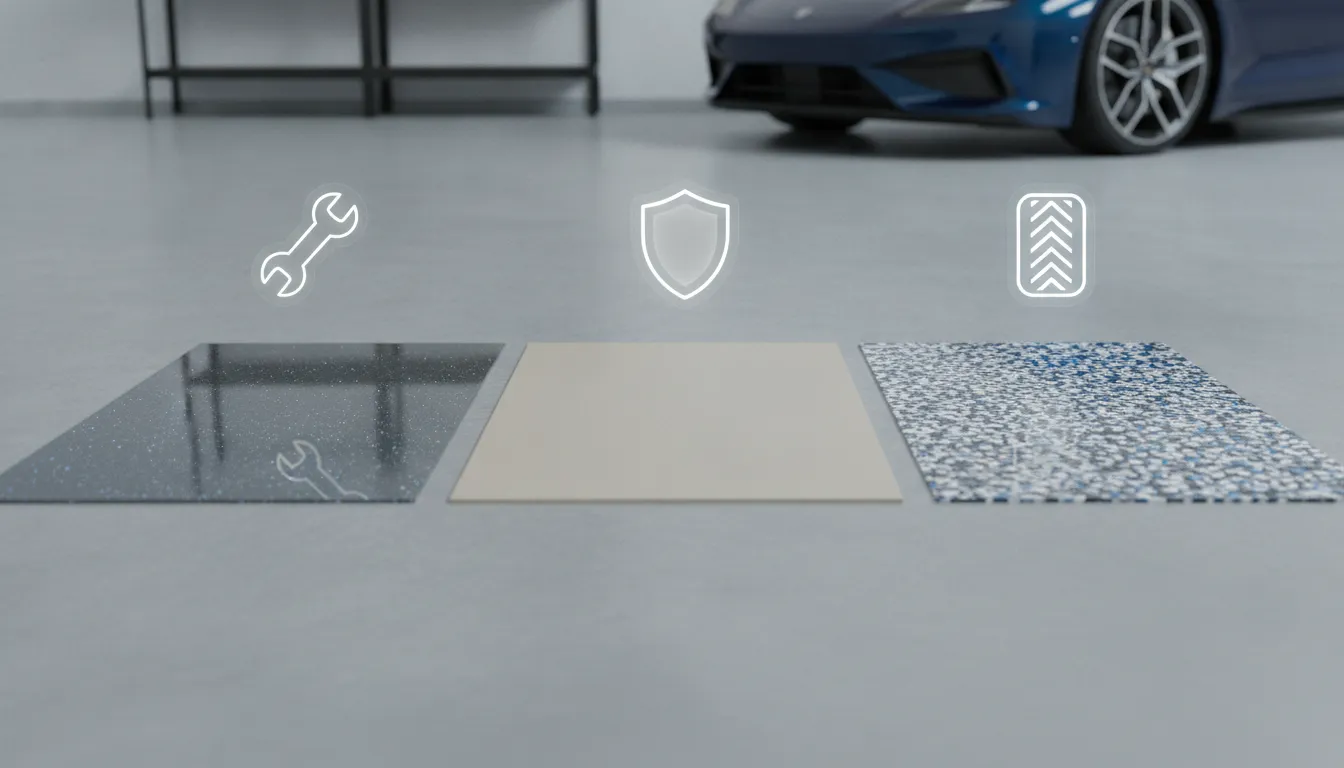
Garage floors face a steady mix of wear: vehicle traffic, grit, spills, moisture, and seasonal changes. The right coating can make the surface easier to maintain and give the room a more finished look, but no single product suits every slab. To find the best garage floor coating for your project, consider the floor’s condition, how much sunlight it receives, and whether traction or a quick return to service matters most. We’ll compare epoxy, polyurea, polyaspartic, stains, sealers, and layered systems, along with the preparation each may require. You’ll also find practical questions to bring to a contractor before work begins.
Key Takeaways
- Choose a coating for the conditions: Consider traffic, sunlight, moisture, spills, traction, and how soon you need to use the garage.
- Make concrete prep a priority: Ask how the installer will inspect, repair, clean, and profile the slab before applying the coating.
- Compare complete proposals: Review product layers, project schedule, maintenance guidance, and warranty terms, then confirm the contractor serves your area.
What Garage Floor Coatings Can You Choose?
Garage floor coatings range from simple color treatments to layered systems designed to handle vehicle traffic, spills, and daily wear. The right choice depends on how you use the space, how much sunlight reaches the floor, and how quickly you need the garage back in service. A garage used mainly for parking may need different protection from a workshop exposed to tools, chemicals, or heavier equipment.
Epoxy, polyurea, and polyaspartic are popular coating options, but they differ in flexibility, working time, and cure schedule. Concrete stains and sealers keep more of the concrete’s natural look, while hybrid systems combine materials to meet specific performance and appearance goals. The coating name alone doesn’t tell you how a floor will perform. Concrete condition, moisture, surface preparation, and the products used in each layer all matter.
Also consider the finish underfoot. Decorative flakes can add color and texture, while grit can help improve traction. Your installer can recommend a surface that suits the space and its users. For an overview of professionally installed systems, see Alliance Epoxy Flooring’s epoxy flooring options. Here’s how the main choices compare.
Epoxy: Get a Hard, Customizable Finish
Epoxy creates a hard, seamless surface that can be customized with solid colors or decorative flakes. It’s a common choice for garages because the right system can resist everyday wear and many common chemicals. Finishes range from simple, solid-color coatings to decorative surfaces with added texture.
Epoxy needs careful surface preparation and suitable application conditions. Oil, dust, moisture, or an inadequately prepared floor can interfere with adhesion. Some products may yellow with prolonged sunlight exposure, and certain systems can be affected by hot tires. Cure times vary, and some coatings need several days before vehicles can return. Garage Living’s comparison of garage floor options covers these considerations. Ask your installer which products they plan to use, how they’ll prepare the concrete, and when the floor can handle foot and vehicle traffic.
Polyurea: Get Flexibility and Fast Curing
Polyurea coatings are known for flexibility and fast curing. Some formulations can dry in about an hour, and may suit garages exposed to impacts, chemicals, hot tires, or temperature changes. A faster cure can shorten the time before the space is ready for use, though the actual schedule depends on the product and installation conditions.
Fast curing also means installers have less time to apply and work the material. Mixing, coverage, and timing all need close attention. A quick cure doesn’t replace proper preparation: the concrete still needs to be clean, sound, and properly profiled so the coating can bond. Product formulations vary, so ask how the specific system will perform under your garage’s conditions and when it will be ready for use. This video explanation of polyurea coatings discusses their rapid cure and other commonly cited properties.
Polyaspartic: Get UV Stability and Fast Curing
Polyaspartic is a specialized type of polyurea. It’s often considered for garages that receive direct sunlight or need a relatively quick return to service. Depending on the product, it can offer UV stability, flexibility, and resistance to chemicals. Installers may apply it as a topcoat over other materials, rather than use it as the only layer.
Working time and performance vary by formulation, so don’t assume every polyaspartic coating behaves the same way. Some products allow more time to apply than other fast-curing coatings, but the application window may still be limited. Ask which layers the proposed system includes, how long curing takes, and when the floor can handle foot and vehicle traffic. This coating comparison video explains how polyaspartic relates to polyurea and discusses its UV stability.
Concrete Stains and Sealers: Keep a Natural Look
Concrete stains add color while letting the floor’s natural character remain visible. A sealer can finish the surface, but stains and thin decorative treatments generally don’t provide the same level of protection as a full coating system. They may be less suitable for garages where floors regularly encounter road salt, oil, chemical spills, or abrasion from tools and tires.
A stain or sealer may fit a lightly used garage where appearance matters more than heavy-duty protection. It can also suit owners who prefer visible concrete over a thicker, more uniform coating. Before choosing one, check what protection the specific product provides and how often it may need maintenance. Garage Living’s overview of garage floor finishes notes that stains and thin decorative coatings primarily change the floor’s appearance, with limited protection from common garage wear.
Hybrid Systems: Combine Primers, Flakes, and Topcoats
A hybrid system combines layers to address different needs. An installer might use a primer to support adhesion, a basecoat for color, decorative flakes for appearance and texture, and a topcoat for added protection. The materials can vary: for example, a system might pair an epoxy or polyurea base with a different type of finish coat.
Each layer should work with the others and suit the concrete, expected traffic, sunlight, and desired texture. Ask the contractor to list the products in the proposed system and explain the purpose of each one. This makes it easier to compare estimates based on the full installation, not just a coating’s name. This overview of layered garage floor systems describes how primers, decorative flakes, and topcoats can be combined.
How Do Epoxy, Polyurea, and Polyaspartic Compare?
Epoxy, polyurea, and polyaspartic coatings can all protect a concrete garage floor, but they differ in flexibility, UV resistance, application time, and performance under specific conditions. The right choice depends on how you use the garage, how much sunlight and moisture reach the floor, and how quickly you need the space back. A shaded garage used mainly for parking has different demands than a busy workshop where vehicles track in road salt and chemicals.
It’s also worth comparing complete coating systems rather than choosing by product name alone. A system may include a primer, basecoat, decorative flakes, and a protective topcoat. Each layer plays a role, and the materials need to work together on the specific concrete slab. Product formulas and installation requirements vary, so review the manufacturer’s specifications and ask your contractor how the system is suited to your space.
Alliance Epoxy Flooring installs epoxy flooring systems for commercial, industrial, and residential spaces across New York, New Jersey, and Pennsylvania. Whether you’re comparing a standard epoxy finish with a polyurea or polyaspartic system, discuss the concrete’s condition, the expected traffic, and the finish you want before making a decision.
How They Handle Abrasion, Impacts, Chemicals, and Hot Tires
Epoxy cures into a hard surface that can handle regular foot traffic, storage, and many common garage spills. Its rigidity can be a drawback if the slab moves, moisture affects the bond, or preparation is incomplete. Hot tires may also contribute to coating pickup if a vehicle returns before the floor has fully cured.
Polyurea and polyaspartic systems are often considered for garages that need strong resistance to wear, chemicals, and hot-tire damage. Actual performance depends on the specific product, the thickness of the system, and how it was installed. A comparison of garage floor coating options identifies both as durable options for demanding garage conditions. Ask your installer which chemicals the selected system can withstand and whether the surface can include texture for better traction.
How They Handle Sunlight, Temperature Changes, and Road Salt
Sunlight can affect a garage floor near an open door or in an area with direct exposure. Standard epoxy may yellow or fade under UV exposure, while polyurea and polyaspartic products generally offer better UV stability. The level of protection varies by product, so check the specifications if you want to preserve a particular color or decorative finish.
Temperature swings and road salt matter in places where winter weather brings slush and deicing materials into the garage. Polyurea is often selected for its resistance to temperature changes, road salt, and hot-tire exposure compared with standard epoxy, as described in Garage Force’s coating comparison. Still, even a suitable coating can fail if moisture or poor preparation compromises its bond. Tell your contractor how much sunlight, salt, and moisture the floor is likely to face.
How Installation Conditions Affect Cure Time and Use
Cure time affects how long you’ll need to keep vehicles, tools, and stored items off the floor. Some polyurea products cure quickly, which can reduce downtime, but also gives installers less time to apply the material evenly. Polyaspartic coatings can cure quickly too. Epoxy often provides a longer working window, though it may require more time before the floor is ready for vehicle traffic.
Temperature, humidity, ventilation, and slab moisture can all affect application and curing. Fast curing doesn’t automatically make a product the best fit if the conditions aren’t right or the installation team isn’t prepared. Ask your contractor how they’ll assess the concrete and plan the work. Get a written schedule that specifies when the floor can handle foot traffic, heavy use, and vehicles, since these milestones may have different wait times.
Compare Maintenance Needs and Service Life
All three coating types benefit from routine care. Sweep or vacuum grit, clean spills promptly, and use cleaning products recommended for the installed system. Decorative flakes and textured finishes can improve traction, but may take extra attention during cleaning. Ask your installer for care instructions specific to the finish, including guidance on suitable cleaners and periodic inspections.
Service life depends on the product, concrete preparation, installation quality, traffic, and maintenance. Properly selected and installed epoxy can last 10 to 15 years or longer, according to ArmorGarage’s epoxy coating information. Treat that as a product-specific estimate, not a guarantee for every garage or a direct comparison with polyurea and polyaspartic systems. Review warranty terms and ask what conditions may affect coverage, such as moisture, improper cleaning, or damage from heavy use.
Which Garage Floor Coating Fits Your Needs?
Choose a garage floor coating by starting with the job the floor needs to do. A residential garage used for parking and occasional storage has different demands from a workshop, service bay, or small commercial space with frequent vehicle traffic. Consider how often cars enter, whether heavy tools or equipment may hit the floor, and whether the surface is likely to encounter oil, cleaners, road salt, or other chemicals.
The coating itself is only one part of the decision. The concrete’s condition, preparation method, installation environment, and combination of product layers all affect the finished floor. Compare options based on durability, chemical resistance, adhesion, maintenance, appearance, and total installed cost, rather than choosing by product name or upfront price alone. Garage Living’s comparison of garage floor options offers a useful checklist for weighing those factors.
Finally, decide what matters most in your space: a decorative finish, easy cleaning, added traction, or a balance of features. If you are considering a custom system, explore epoxy flooring options and ask an installer how each system fits your concrete and day-to-day use. The following questions can help you narrow down your choices.
Match the Coating to Garage Use and Traffic
Start by noting what happens on the floor during a typical week. A lightly used garage may need a system suited to parked vehicles and routine cleaning. A workshop or commercial garage may see more foot and vehicle traffic, dropped tools, rolling equipment, and chemical spills. Those conditions can call for different levels of abrasion, impact, and chemical resistance.
Think about traffic patterns as well as volume. Vehicles turning in place can put different demands on a floor than cars that simply park, while grit and road salt can wear on the surface over time. Check product specifications and ask the installer how the proposed system will handle your specific conditions. The Garage Living guide to garage floor protection recommends considering durability, adhesion, maintenance, appearance, and total cost when comparing options.
Consider Climate, Sunlight, Spills, and Moisture
Look at the conditions around the garage before selecting a coating. Direct sunlight can affect how some finishes look over time, so ask whether the proposed topcoat is suitable for areas exposed to UV light. In colder climates, vehicles may bring snow and road salt inside, and temperature changes can add stress to the floor system.
Moisture is another important consideration. Water vapor moving through the concrete or water collecting on the surface can affect coating performance, so ask whether the slab needs moisture testing and whether drainage should be addressed. Consider likely spills, too, including oil, automotive fluids, and cleaning products. The coating’s chemical resistance and cleaning requirements should suit the substances the floor may encounter. A contractor can recommend a system based on the garage’s conditions, rather than relying on a one-size-fits-all product.
Weigh Appearance, Slip Resistance, and Cost
Once you have identified the floor’s practical needs, decide on the appearance and texture you want. Solid colors offer a simple look, while decorative flakes add pattern and variation. The finish should suit the space, but appearance is only one part of the choice.
Ask how the surface will feel underfoot when wet or exposed to spills. A textured finish may provide more traction, but texture can also affect how easily the floor is cleaned. Discuss the right balance with your installer, especially if the garage doubles as a work area. Then compare complete installed estimates. Include concrete preparation, repairs, primer, coating layers, and topcoat, not just the price of the coating product. ArmorGarage’s coating guidance also recommends matching the system to traffic, impacts, chemical exposure, and daily wear.
Choose a Complete System, Not Just a Coating
A finished garage floor may include several layers, such as a primer, basecoat, decorative flakes, and protective topcoat. Each layer serves a purpose, and the products need to work together. The right combination depends on the concrete, the conditions in the garage, and the performance and appearance you want.
When reviewing a product or contractor estimate, ask which layers are included and what each one does. Confirm whether the scope covers concrete grinding, repairs, moisture testing, and cleanup. A kit may include coordinated materials, but it still needs to be installed according to the product instructions and applied to a properly prepared surface. Ask for the proposed system and installation steps in writing so you can compare the full scope of work, not just the coating name.
Why Does Surface Preparation Matter?
A garage floor coating depends on the concrete beneath it. Moisture, oil, dust, weak concrete, and old coatings can interfere with adhesion, increasing the risk of peeling, bubbling, or separation. Even a high-quality coating may not perform as expected if it goes over a surface that hasn’t been properly assessed and prepared.
Preparation starts with checking the slab’s condition and the garage’s drainage. From there, the concrete may need repairs, cleaning, grinding, or moisture testing before any coating is applied. The right steps depend on the slab and the products selected, so follow the coating manufacturer’s instructions rather than relying on a one-size-fits-all process.
It also helps to think of the floor as a complete system. Primers, basecoats, decorative flakes, and topcoats need to work together and suit the garage’s conditions, including vehicle traffic and exposure to water or road salt. If you’re weighing options for a damaged or hard-working floor, explore Alliance Epoxy Flooring’s epoxy flooring systems and ask a flooring professional which preparation steps fit your project.
Test for Moisture and Check Drainage
Concrete may look dry while retaining moisture below the surface. Before coating, test the slab according to the product manufacturer’s requirements, and check whether water drains away or collects in low spots. Moisture can affect adhesion and contribute to bubbling or peeling. Garage Force’s coating guidance also identifies poor preparation as a potential cause of coating failure.
Look for damp areas, water stains, or puddles left by rain, snow, or vehicle tires. If water seeps through the slab or regularly gathers near a wall, address the source before installation. A coating does not correct drainage problems or stop moisture from moving through concrete. Confirm that the slab meets the selected system’s moisture limits before work begins.
Repair Cracks and Remove Oil, Dirt, and Old Coatings
Cracks, spalled areas, and contamination need attention before a coating goes down. Repair damaged concrete with materials compatible with the coating system, and remove oil, grease, tire residue, dirt, dust, and any loose or failing old coating. These issues can prevent the coating from bonding evenly, leaving weak spots in the finished floor.
Give extra attention to areas where vehicles park, since they often collect oil and road grime. Follow product directions for cleaners and repairs, and make sure residues are removed and the slab is fully dry. In a garage floor coating demonstration, the installer grinds and cleans the concrete, then patches hairline cracks before applying the coating. The exact steps for your floor may vary.
Grind Concrete for Strong Adhesion
Grinding removes weak surface material and creates a profile that helps a coating adhere to concrete. The right method depends on the slab’s condition and the coating system. Some product instructions allow acid etching, while others call for diamond grinding. For example, ArmorGarage’s preparation guidance recommends starting with concrete that is clean and fully dry.
Grinding can also remove old coating and surface contaminants that ordinary cleaning may not address. Afterward, crews need to remove the resulting dust so it does not interfere with adhesion. Check the manufacturer’s specifications before choosing a method, since the wrong approach may leave the surface unsuitable for the coating. A professional can assess whether grinding, repairs, or additional treatment are needed.
Choose Compatible Primers, Basecoats, Flakes, and Topcoats
Many garage floors use several products that work together: a primer, basecoat, decorative flakes, and a protective topcoat. Each component should be compatible with the others and appropriate for the concrete and the way the garage is used. Check product instructions for application conditions, recoat windows, and preparation requirements before combining materials.
Primer choice can affect both adhesion and application time. In a garage floor coating application video, the installer prefers epoxy primer over a fast-setting polyurea primer because it allows more time for application. That preference is not a universal rule; select products as a coordinated system and confirm that flakes and topcoats are approved for the basecoat. For added traction, ask about a compatible slip-resistant finish.
Should You Coat Your Garage Floor Yourself?
A DIY coating may suit a garage with sound concrete and a simple layout, provided you can follow the product instructions and set aside enough time. If the floor has cracks, moisture concerns, or an old coating, get advice before starting.
Check Coverage, Mixing Ratios, and Application Steps
Measure the floor and calculate how much product you’ll need before buying a kit. Check its coverage rate, mixing ratio, number of coats, and application instructions. These details vary by product, and applying too little material can leave areas that wear unevenly. Choose a system based on how you use the garage: consider vehicle traffic, dropped tools, road salt, oil, and other spills, along with the finish you want, such as a solid color or decorative flakes. Follow each step in order, including instructions for primer, mixing, spreading, and recoat timing. Reviewing the manufacturer’s product guidance can help you compare systems and estimate materials.
Plan for Temperature, Humidity, Pot Life, and Cure Time
Check the product’s temperature and humidity requirements, then make sure your garage conditions meet them. A slab that is too cold, warm, or damp may affect how a coating spreads and cures. Once you mix a two-part product, its pot life is limited, so gather tools and prepare the floor before combining the components. Work at a steady pace, following the instructions for each coat. Also check when the floor is ready for recoating, foot traffic, and vehicle traffic. These are separate milestones, and the full process may take several days. Plan alternate parking and keep people and pets off the surface until the product instructions say it is ready. This application demonstration offers a useful look at the timing involved.
Add Texture for Safer Footing
A smooth coating may become slippery when wet, especially near the garage entrance or where snow, rain, or spills collect. Consider a traction additive or a finish made for slip resistance. Decorative flakes can affect the surface texture, but the result depends on the product and installation method. Follow the manufacturer’s guidance on the type and amount of additive. Too much texture can make the floor harder to clean, while too little may not provide the grip you want. Think about who uses the garage and whether people walk through it with wet shoes. For projects where traction matters, ask about slip-resistant flooring options that suit the space.
Call a Professional for Fast-Curing Products or Concrete Repairs
Fast-curing products can leave little time to correct mistakes, so application may require careful timing and coordination. Concrete repairs also need proper materials and preparation before a coating is applied. Cracks, peeling finishes, and moisture problems can affect adhesion if they are not addressed first. A flooring professional can inspect the slab, recommend a compatible system, and prepare the surface for a durable finish. This can be especially helpful if you are unsure whether the floor needs grinding, patching, or moisture control. If the concrete needs repairs or the product has a short working time, ask for an assessment before buying materials. Learn more about epoxy flooring services for different floor conditions and uses.
What Does Garage Floor Coating Cost?
Garage floor coating costs depend on the floor’s size and condition, the materials in the system, and the work required to install it. Compare estimates by scope, not just by the price of the coating.
Compare Complete Systems, Not Just Product Prices
A coating is only one part of a finished floor. An estimate may include concrete grinding, a primer, a basecoat, decorative flakes, and a protective topcoat. Ask the contractor to list each layer and explain how the products work together. Request product data sheets, preparation details, moisture-testing procedures, traction options, and written warranty terms.
Itemized estimates make it easier to compare proposals fairly. Contractors may use the same coating name but propose different preparation methods or materials. Review the full system, including the epoxy flooring options available for your project, rather than choosing by product label alone. This overview of garage floor coating options also explains why it helps to compare complete systems.
Include Prep, Repairs, Labor, and Garage Downtime
Preparation and repairs can affect the total estimate. Ask whether the price includes grinding, cleaning, crack repairs, removal of old coatings, and moisture testing. If the concrete has oil stains, peeling material, or visible damage, find out how the contractor will address it and whether that work is included or billed separately.
Factor in labor and the time you’ll need to keep the garage clear during installation and curing. Ask when you can walk on the floor and when you can park vehicles on it again. Those timelines depend on the products and installation conditions, so request them in writing. Compare preparation, installation, maintenance, and potential replacement costs alongside the initial price. This guide to garage floor protection options offers further context for weighing the full cost of a system.
Review Warranty Terms and Maintenance Costs
Read the warranty before signing. Ask how long coverage lasts and whether it applies to peeling, moisture-related problems, or issues with surface preparation. Check for exclusions and conditions that could affect coverage, and request the complete warranty document. A long warranty does not necessarily cover every type of failure, so make sure you understand what the installer is promising.
Ask about routine care, too. Find out which cleaners to use, how to handle oil or chemical spills, and whether the floor may need repairs or recoating over time. Maintenance needs vary based on the coating system and how you use the garage. When you compare estimates, review the warranty and expected upkeep alongside the upfront price. For additional questions to raise with an installer, see this discussion of epoxy and polyurea coatings.
Which Garage Floor Coating Myths Should You Ignore?
Garage floor coatings are often described as though one product works best in every space. In reality, the right choice depends on the concrete, the conditions in the garage, and how you use the floor. A shaded residential garage has different demands from a workshop exposed to sunlight, hot tires, road salt, and frequent spills.
It’s also easy to focus on one selling point, such as price or cure time, and miss details that affect long-term performance. The complete system matters, including surface preparation, compatible primers and topcoats, and the conditions required for installation. A product label can help you compare options, but it can’t tell you whether a particular system is a good fit for your slab and daily use.
These common myths can help you ask more useful questions before choosing a coating. Rather than ruling out one material or trusting a broad claim, compare product specifications and consider the full installation plan. If you’re unsure what your floor needs, ask a flooring professional to assess the concrete and explain which options suit the space.
Epoxy Isn’t Always the Best Choice
Epoxy is a popular option because it can create a durable, customizable finish when the product suits the space and the concrete is prepared correctly. But popularity doesn’t mean it’s the best choice for every garage. Sunlight, temperature changes, road salt, chemicals, and hot tires can all affect how a coating performs.
Some polyurea systems are designed to offer flexibility and resistance to demanding conditions. Still, products vary, and performance depends on the formulation and complete coating system. A comparison of garage coating options can help you understand common product claims, but check the specifications and installation requirements for the exact system you’re considering.
Start by listing what your floor needs to withstand, then compare options against those needs. Epoxy may be a good fit, but it isn’t automatically the right answer for every garage.
DIY Kits Don’t Always Match Professional Systems
A DIY kit may seem like a straightforward way to refresh a garage floor, but products differ in materials, coverage, preparation, and durability. Some kits are water-based epoxy paints, not multi-layer systems designed for demanding conditions. They may not hold up as well to hot tires, road salt, chemicals, or seasonal temperature changes.
Before you buy, read the technical information. Check what the kit includes, how to prepare the concrete, and whether the instructions call for a primer or protective topcoat. A comparison of DIY products and professional coatings offers useful context, but assess each product by its own specifications.
DIY application may suit a sound, clean slab and a homeowner comfortable following detailed instructions. If the concrete is cracked, previously coated, or subject to heavy use, ask a flooring professional to assess it and recommend a system.
Coatings Don’t All Cure at the Same Rate
A floor that feels dry to the touch may not be ready for foot traffic, stored items, or a parked car. Cure times vary by product and can also depend on temperature, humidity, ventilation, and how the coating is applied. Some polyurea products cure quickly, while other systems need more time before they’re ready for use.
Follow the manufacturer’s directions for recoat windows, light foot traffic, and vehicle use. Rushing the schedule can affect the finish, even when the surface looks dry. This video on coating cure times illustrates how timing can vary, but always follow the technical data for the specific product being installed.
Plan for the full cure period before work begins, especially if you rely on the garage for parking or daily operations. Ask your installer when the floor can be used and how site conditions may affect the schedule.
Poor Preparation Can Cause Any Coating to Fail
Even a high-quality coating can peel, bubble, or separate if it doesn’t bond properly to the concrete. Preparation may include cleaning, repairing cracks, checking for moisture, removing old coatings, and mechanically grinding the surface. Applying a product over dust, oil, a sealer, or loose concrete can interfere with adhesion.
The right preparation depends on the slab’s condition. Moisture concerns should be identified before installation, and damaged areas may need repairs. Alliance Epoxy Flooring’s epoxy flooring services are tailored to the space and floor, an approach that starts with understanding the surface and its demands.
Before hiring an installer, ask how they’ll inspect and prepare your concrete, and which materials they’ll use in each layer. A clear plan should explain how the crew will create a clean, sound surface and ensure the primer, coating, and topcoat work together.
How Can You Choose a Reliable Coating and Installer?
Choosing a garage floor coating means looking beyond the product name. The finished floor depends on the coating system, the condition of the concrete, and the quality of the installation. Ask what each layer does, from primer and basecoat to decorative flakes and topcoat. Then consider how your garage is used: vehicle traffic, sunlight, spills, temperature changes, and moisture all affect which system may be suitable.
A dependable installer should explain the options in plain language and describe the work needed before applying the coating. Ask how the crew will inspect and prepare the concrete, what repairs are included, and how long the floor will take to cure. Request a written estimate that lists products, preparation steps, and warranty terms so you can compare proposals on equal footing.
Experience with similar spaces also matters. A home garage, workshop, and small commercial space can have different demands. Look for a contractor who can recommend a system based on the floor’s use, rather than offering the same solution for every project. You can review Alliance Epoxy Flooring’s coating options to see examples of systems designed for different performance and appearance needs.
Review Product Specs, Customer Feedback, and Experience
Ask the installer for the product data sheets for the proposed coating. Check the recommended application conditions, cure time, chemical resistance, and care instructions. Confirm that the product is designed for concrete floors and is appropriate for your garage’s traffic and exposure. If the contractor recommends polyurea or polyaspartic instead of epoxy, ask what specific benefits make that system a better match for your floor.
Reviews can reveal patterns in communication, scheduling, and customer support, but they are only one part of your research. For example, a discussion of polyurea and epoxy shares individual experiences, not a guarantee that one coating will perform best in every garage. Ask the contractor for examples of similar projects and how the floors have held up over time.
Ask How the Contractor Tests, Repairs, and Prepares Concrete
A coating needs a clean, properly prepared surface to bond well. Ask how the contractor will inspect the slab, test for moisture, and identify oil, old coatings, cracks, or other damage. Find out how the crew plans to remove contaminants and create a surface suited to the chosen product. Concrete grinding, shot blasting, or another preparation method may be appropriate depending on the floor and coating system.
Ask how the contractor will address cracks, pits, or uneven areas, and what happens if moisture testing reveals a concern. The answers should be specific to your slab, not a generic promise that the floor will be ready. This garage coating guide explains why preparation matters: inadequate surface work can contribute to peeling, bubbling, or separation from the concrete.
Compare Written Estimates, System Details, and Warranties
Request a written estimate that covers the full job, from concrete preparation through the final coat. It should name the products, list the number of coats, and specify whether repairs, decorative flakes, or slip-resistant additives are included. Check the proposed timeline, too, including when the floor can handle foot traffic and when vehicles can return. These details help you compare bids fairly, since a lower price may reflect a narrower scope of work.
Read the warranty before signing. Ask how long it lasts and whether it covers peeling, moisture-related issues, or problems tied to surface preparation. Clarify what could void coverage, and request the terms in writing. A garage flooring options guide recommends asking about product data, preparation procedures, moisture testing, traction options, and warranty coverage. Clear documentation helps you understand what the contractor will do and what support you can expect after installation.
Choose a Contractor Who Serves Your Area and Project Type
Confirm that the contractor serves your location and has completed projects similar to yours. A residential garage, repair shop, warehouse, or small commercial space each puts different demands on a floor. Ask for examples that match your setting, and discuss the conditions the coating must handle, such as vehicle traffic, direct sunlight, chemical spills, or frequent cleaning.
The proposed system should reflect those needs. A floor exposed to sunlight may call for a different topcoat than one used mainly for vehicle storage. A workshop with heavy equipment may need a different level of impact resistance and traction than a lightly used garage. Ask the contractor to explain how the primer, basecoat, and topcoat work together as a complete system. If you’re in New York, New Jersey, or Pennsylvania, review Alliance Epoxy Flooring’s service offerings to see whether its flooring work fits your project.
When Should You Hire a Flooring Professional?
A flooring professional can help you choose a coating that fits your garage, workshop, or small business. Consider an assessment if the concrete has cracks, moisture concerns, an old coating, or areas where traction matters. A contractor can evaluate the slab and explain how preparation, product choice, and installation conditions affect the result.
Get Advice on Epoxy, Decorative Flakes, and Slip-Resistant Finishes
Epoxy, polyurea, and polyaspartic coatings each have different application requirements. The best fit depends on the floor’s condition and how the space is used. Ask a contractor how the options may perform around hot tires, road salt, chemicals, sunlight, and temperature changes. Product specifications matter, so compare complete systems rather than choosing by coating name alone.
You can also discuss the look and texture you want. Decorative flakes or colored quartz create a more finished appearance, while added texture can help improve footing in areas exposed to water or spills. Ask how the selected finish affects cleaning and routine maintenance. Alliance Epoxy Flooring installs epoxy flooring systems for commercial and industrial spaces, with options tailored to the demands of each floor.
Ask About Related Concrete Flooring Services
A coating may not be the right first step if the slab needs repairs or has moisture issues. Ask whether the contractor will test for moisture, repair cracks, remove dirt and old coatings, and grind the concrete before installation. These preparation steps help create a suitable surface for the new system. Garage Living’s guide to garage floor protection also explains why preparation can affect coating performance.
If your concrete is worn or you prefer a different finish, ask about other options. Depending on the slab and your goals, polished concrete, concrete staining, grind-and-seal, or waterproofing may be worth considering. Alliance Epoxy Flooring provides concrete polishing and related flooring services for a range of commercial and industrial settings.
Find Garage and Small-Commercial Flooring in New York, New Jersey, and Pennsylvania
Choose a contractor with experience in spaces like yours, from residential garages and workshops to retail stores and commercial kitchens. A contractor familiar with your type of project can account for traffic, spills, cleaning routines, and safety needs. Before work begins, request a written estimate that outlines surface preparation, coating layers, project timing, and warranty terms.
Alliance Epoxy Flooring serves property owners across New York, New Jersey, and Pennsylvania, including New York City’s five boroughs, Newark, Jersey City, Paterson, Philadelphia, and nearby communities. When requesting an assessment, share photos of the floor and explain how you use the space. This gives the contractor a clearer picture of the project and helps them recommend an appropriate flooring system. See the company’s full list of flooring services.
Frequently Asked Questions
Which garage floor coating is best for my space?\ It depends on how you use the garage and what the floor needs to withstand. Consider vehicle traffic, sunlight, road salt, spills, and the condition of the concrete. Ask an installer to compare complete systems, including their preparation steps and protective layers, rather than choosing by coating name alone.
How long should I wait before parking on a newly coated garage floor?\ Wait times vary by product and installation conditions. A coating may be ready for foot traffic before it can handle vehicles. Ask your installer for a written schedule that covers recoating, walking on the floor, and parking.
Can a coating be applied over cracked or damp concrete?\ Cracks and moisture concerns should be assessed before installation. Repairs, moisture testing, or drainage improvements may be needed so the coating can bond properly. A coating will not fix an underlying water problem.
Is a DIY garage floor coating a good choice?\ DIY may work for a sound, well-prepared slab if you can follow the product instructions and meet its application requirements. Professional help may be a better fit when the concrete needs repairs, has an old coating, or the selected product has a short application window.
What should I ask a flooring contractor before hiring them?\ Ask how they’ll inspect and prepare the concrete, which products each layer includes, and when the floor will be ready for use. Request an itemized estimate and written warranty terms. Alliance Epoxy Flooring serves projects across New York, New Jersey, and Pennsylvania, with flooring options tailored to the space.