Commercial epoxy flooring cost: A Practical Guide
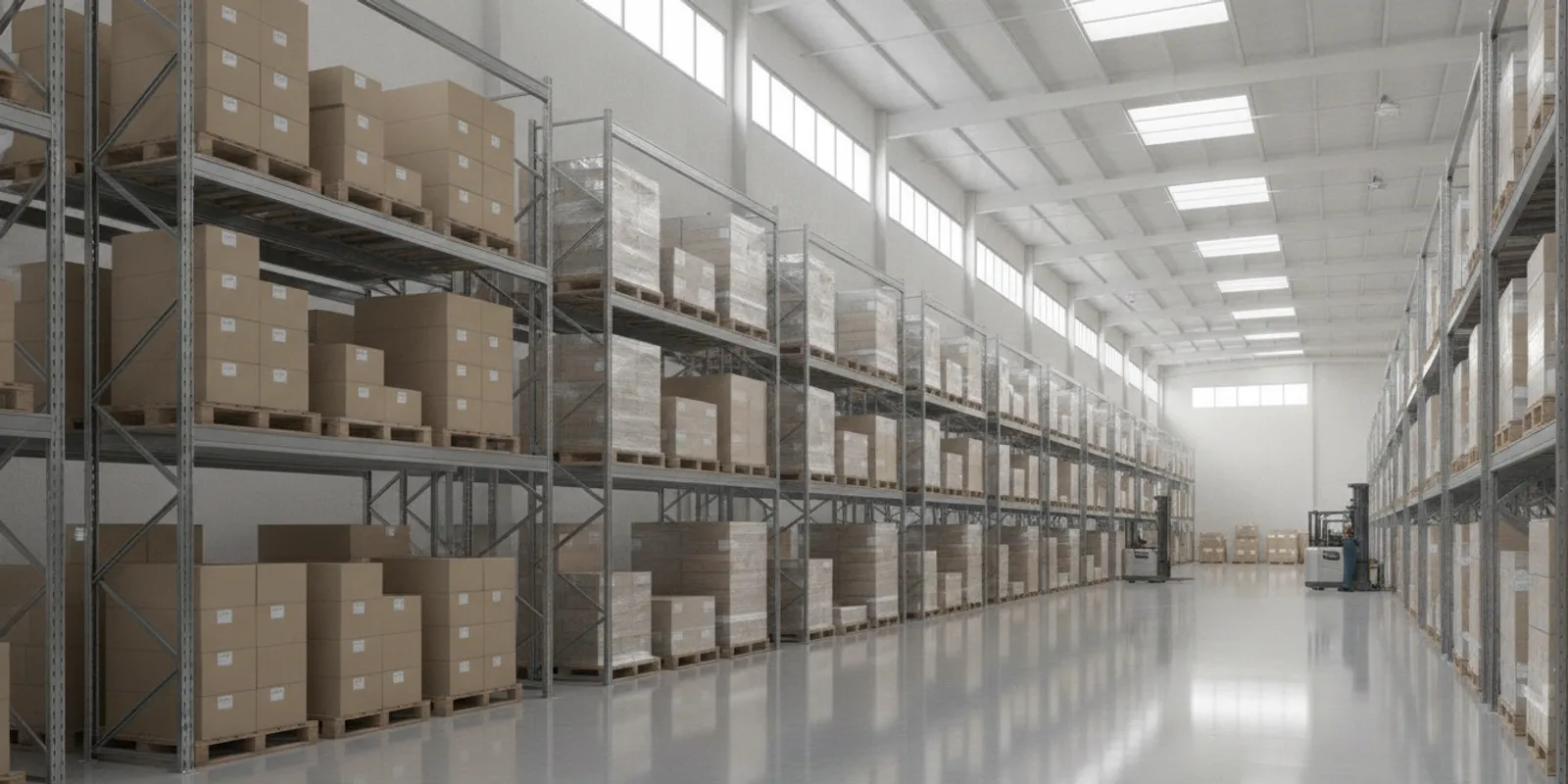
Commercial epoxy flooring cost depends on more than the size of the floor. The coating system, slab condition, preparation, access, and operating schedule all affect the scope. The figures below can help commercial property owners and facility managers plan an initial budget, but they are illustrative industry ranges—not a fixed Alliance Epoxy Flooring price or a project quote.
What is the typical commercial epoxy flooring cost?
Published industry budgeting guidance places basic epoxy at about $3–$6 per square foot, decorative flake at $5–$10 per square foot, and metallic or other high-end epoxy at $8–$15 per square foot. These are broad planning figures. The actual price for a commercial floor depends on the site and selected system, and may differ from these ranges.
For a simple illustration, a 2,000-square-foot space at the basic epoxy range would calculate to roughly $6,000–$12,000 before confirming the project scope. At the decorative flake range, the same area would calculate to about $10,000–$20,000. These calculations are not estimates for a specific facility: they do not account for repairs, removal, access, or other scope additions.
Do not compare quotes on the square-foot number alone. Ask what preparation, coating layers, finish, repairs, and site conditions are included. Two proposals can use different assumptions even when both describe the work as epoxy flooring.
Which factors can change the project quote?
Existing slab condition and preparation
A contractor needs to assess the concrete before recommending a system. The slab may need grinding, patching, or other preparation, and the condition can vary across one facility. Existing coatings, damage, contamination, or uneven areas can add work. Coating removal and repairs should be treated as scope items to assess and price, not assumed to be part of a basic coating figure.
Moisture is another consideration. The source and condition of moisture can affect whether a proposed coating system is suitable and what preparation is needed. A site assessment is more useful than choosing a system based only on a price-per-square-foot range. For background on concrete materials and construction, consult the American Concrete Institute.
Facility use and system choice
A warehouse, commercial kitchen, retail space, and office do not necessarily need the same floor finish. Consider the traffic the floor receives, potential chemical exposure or spills, cleaning methods, traction needs, and the appearance expected by staff and visitors. These requirements influence which epoxy option is appropriate and what needs to be included in the project scope.
Basic epoxy, decorative flake, and metallic or high-end epoxy have different illustrative budget ranges. Colored-quartz and custom kitchen systems require a project-specific quote; do not assume that the ranges above apply to them. If a space has a special cleaning, safety, or operational requirement, describe it during the assessment rather than relying on a generic label for the coating.
Area, layout, and access
Square footage is a starting point, but the layout matters. Columns, edges, drains, equipment, and separate rooms can affect how a crew accesses and prepares the work area. Moving equipment or arranging clear access may also need coordination with facility staff. Ask how the quoted area was measured and whether restricted or difficult-to-reach sections are included.
Downtime and scheduling
Commercial epoxy projects are generally described as taking one to three days, but that is a planning guide, not a guaranteed schedule. The actual timeline and return-to-service requirements depend on the slab, selected system, site conditions, access, and traffic. Ask the installer what areas need to be closed and when the floor can be walked on or returned to normal use. Build the answer into an operating plan before setting a reopening date.
How can you compare flooring cost options?
The ranges below are illustrative industry budgeting guidance per square foot. They are not fixed Alliance rates. Your written quote should reflect the assessed site and specified work.
| Flooring option | Illustrative budget range | What to confirm |
|---|---|---|
| Basic epoxy | $3–$6 per sq ft | Preparation, coating scope, and slab condition |
| Decorative flake | $5–$10 per sq ft | Selected finish and any added traction or cove base needs |
| Metallic or high-end epoxy | $8–$15 per sq ft | Finish specification, preparation, and project complexity |
| Colored quartz or custom kitchen system | Project-specific quote | Facility use, cleaning, traction, and system requirements |
Some commercial facilities may also want to compare epoxy with other concrete-floor approaches. Published industry budgeting figures for polished concrete are $4–$9 per square foot, while grind-and-seal is $2–$5 per square foot. Those options have different finishes and scopes, so the lowest starting range does not automatically make one the right fit. Waterproofing and concrete staining also require project-specific pricing in the available guidance. Learn more about polished concrete or concrete grind-and-seal to understand how their scope differs.
What should you prepare before requesting an estimate?
A clear description of the space helps the contractor assess the project. Before requesting a free, no-obligation assessment and written quote, gather:
- Approximate floor area and a simple plan or photos, if available.
- The current surface condition, including known coating, damage, or moisture concerns.
- How the space is used and the traffic, spills, chemicals, or cleaning routines it must handle.
- Appearance preferences, such as solid color or decorative flake.
- Access restrictions, equipment that may need to be moved, and areas that must remain operational.
- Your preferred work window and the timing constraints for closing and reopening the area.
Then review the written scope for preparation, repairs, coating selection, finish, and schedule assumptions. Confirm whether requested additions—such as coating removal, moisture barriers, anti-slip treatment, or cove base—are included or priced separately. These items depend on the assessment and should not be presumed part of a base range.
For a facility comparing coating systems, also review the company's epoxy flooring options and floor waterproofing service where moisture management is a concern. These pages can help frame questions, but the project assessment—not a general service description—determines what is appropriate for a specific slab.
When reviewing proposals, make a short side-by-side list of what each includes: measured area, surface preparation, repairs, coating layers, finish, exclusions, and schedule assumptions. Mark anything described vaguely, such as “standard prep,” and ask the contractor what it means for your site. This keeps the discussion focused on equivalent scopes instead of headline rates. If one quote includes removal and another excludes it, the difference in totals does not represent a direct comparison.
Call to discuss your flooring project
Frequently asked questions
Is commercial epoxy flooring priced at one fixed rate?
No. The per-square-foot figures here are industry budgeting ranges, not fixed contractor pricing. The slab, selected system, preparation, access, and project requirements all affect a written quote.
Does the basic epoxy range include repairs and coating removal?
Do not assume so. Repairs, coating removal, and other additional work depend on the site assessment and may be separate scope and pricing items. Ask the contractor to identify them clearly in the proposal.
Can I use a square-foot range to set my final budget?
Use it only for early planning. A range-based calculation does not confirm the floor condition or include every project requirement. A site assessment and written, project-specific quote are needed to understand the proposed work.
Commercial epoxy flooring cost is best evaluated alongside the facility’s operating needs and the work required to prepare its slab. Share the site conditions, use, access, and schedule constraints so the proposed scope can be matched to the project.