Concrete Staining vs Epoxy Flooring: Which Is Best?
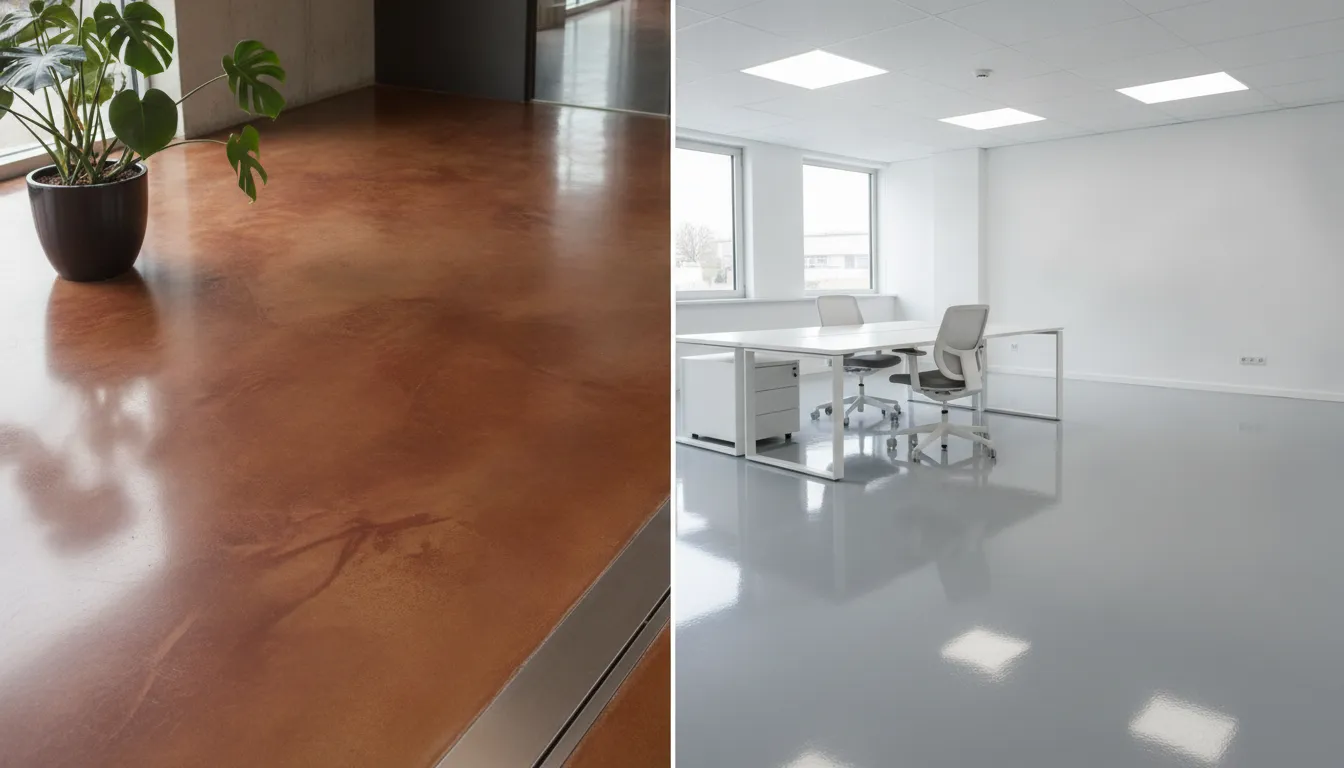
Your concrete slab has a story of its own, with its existing color, texture, repairs, and wear. Staining can make those details part of the finished look; epoxy can create a more consistent surface with a wider range of design choices. The best fit depends on the slab, the room, and the work the floor needs to handle. In this guide, we compare concrete staining vs epoxy flooring so you can make a practical choice for your property. Learn how each finish responds to traffic, spills, moisture, and routine cleaning, what preparation may involve, and how to plan for installation and ongoing care in commercial or industrial spaces.
Key Takeaways
- Match the finish to daily use: Stained concrete preserves natural variation, while epoxy offers a more uniform surface with options for added texture and protection.
- Assess the slab before choosing: Cracks, old coatings, uneven areas, and moisture can affect the finished look, installation needs, and floor performance.
- Plan for the full project: Compare preparation, installation downtime, curing, cleaning, and ongoing care when reviewing flooring options and estimates.
What Is Concrete Staining?
Concrete staining adds color to an existing slab, bringing out its natural variation rather than covering it with an opaque finish. Depending on the product, stain may penetrate the concrete or form a layer on its surface, so the finish and protection it provides can vary. The slab’s condition, stain type, and sealer all affect the result.
For commercial and industrial spaces, consider how the floor will be used before choosing a finish. A decorative area may suit the varied look of stained concrete, while a busy work area may need a different level of protection. Compare staining with other flooring options based on your space’s traffic, exposure, and appearance goals.
Acid-Reactive vs. Water-Based Stains
Acid-reactive stains change the concrete’s color through a chemical reaction with minerals in the slab. They typically create a varied, marbled effect, with color choices often centered on earth tones such as browns, tans, and terra-cotta. Since the reaction depends on the concrete’s composition, the color can differ across the floor.
Water-based stains offer a wider range of colors and can produce a more even appearance. They may be a better fit when you want a particular shade or greater consistency. Both types depend on the slab and its preparation, so samples applied to the actual floor can help set expectations. Read about the differences between concrete stain types before choosing a finish.
How Slab Condition Shapes Color
Stain does not hide cracks, patches, discoloration, or changes in the concrete’s porosity. These features may remain visible or become more noticeable once the floor is stained. Natural variation can add character to a decorative space, but it may not suit an area where a uniform finish is important.
Before selecting a stain, have the slab checked for damage, existing coatings, and uneven areas. A test application can show how the concrete absorbs the product and help you judge the likely color. Because results depend on the slab and the application, staining may not be the right choice for every floor. If consistency is a priority, compare it with epoxy flooring.
Why Stained Concrete Needs Sealer
A sealer helps protect stained concrete from wear, spills, and stains while preserving its appearance. The right product depends on the space’s foot traffic, equipment use, moisture exposure, and cleaning routine. Ask the installer which sealer suits those conditions and how to care for it.
Sealer wears down over time and needs periodic renewal. The interval varies with the product and the floor’s use, so follow the manufacturer’s guidance and have the surface inspected regularly. Routine cleaning and prompt spill removal also help maintain the finish. Keep in mind that a sealer can affect the floor’s final sheen and slip resistance, so review those details before installation.
What Is Epoxy Flooring?
Epoxy flooring is a coating system made by combining resin and a hardener. Applied to prepared concrete, the mixture cures into a durable surface that can be tailored to a space’s appearance and everyday demands. It’s used in settings ranging from garages and retail stores to warehouses and commercial kitchens. Alliance Epoxy Flooring installs epoxy flooring systems with finishes selected for each environment.
Epoxy Coatings, Decorative Flake, and Colored Quartz
A solid-color epoxy coating creates a consistent finish, while decorative flakes and colored quartz add pattern and visual texture. Depending on the system, added texture can also help improve traction. The right choice depends on how the floor will be used: a commercial kitchen may need different slip resistance and cleaning characteristics than a retail showroom.
Consider foot traffic, equipment, spills, and routine cleaning when comparing finishes. A flooring contractor can recommend a system suited to those conditions, rather than choosing a finish on appearance alone. See how decorative flakes and colored quartz can affect an epoxy floor’s look and texture.
Prepare Concrete and Test for Moisture
Epoxy performs best when the concrete beneath it is properly prepared. Installers typically grind the slab to create a suitable surface, then repair cracks and other defects before applying the coating. Skipping these steps can affect how well the epoxy adheres and how evenly it finishes.
Moisture is another important consideration. Excess moisture in or beneath the slab can interfere with adhesion and lead to coating problems. Testing before installation can show whether the concrete needs additional preparation or moisture mitigation. As concrete coating guidance explains, checking the slab before application helps reduce the risk of future issues. The appropriate preparation depends on the slab’s condition and the space.
Allow for Curing Before Use
An epoxy floor needs time to cure before it can handle normal use. Depending on the product and installation conditions, it may be ready for light foot traffic after about 24 hours, while full curing can take up to seven days. These are general timeframes, so follow the installer’s instructions for the specific floor.
During curing, avoid moving equipment across the surface or placing heavy items on it until the contractor says it is ready. Waiting gives the coating time to reach its intended strength and durability. Epoxy flooring guidance also emphasizes allowing the coating to cure fully before regular use.
How Do Concrete Staining and Epoxy Flooring Differ?
Concrete stain penetrates the slab, while epoxy forms a coating over its surface. That difference affects the floor’s appearance, its protection from daily wear, and the work needed before installation. Consider the concrete’s condition and how people use the space before choosing a finish.
Natural Variation vs. a Uniform Finish
Concrete stain colors the slab while leaving its texture visible. The result often has natural variation, with color affected by the concrete’s age, porosity, repairs, and previous coatings. Staining can suit a retail space or office where you want the floor’s original character to show through.
Epoxy creates a more consistent finish in a range of colors and styles, including decorative flake and colored quartz. It may make some minor surface marks less noticeable, but it won’t repair cracks or structural damage. Review epoxy flooring options if you want a coated finish tailored to your space. The differences between stain and epoxy are especially clear when comparing their final appearance.
Protection From Wear, Spills, and Chemicals
Stain changes the color of concrete but does not provide the same surface barrier as an epoxy coating. A sealer is usually applied over stained concrete to help protect it, though the level of protection depends on the product and upkeep. Because stain is translucent, cracks, patches, and old marks may remain visible.
Epoxy bonds to prepared concrete and creates a protective layer that can help guard against abrasion, impacts, and spills. Its performance varies by system, so choose a coating based on the floor’s traffic and exposure to equipment, moisture, or chemicals. For example, a commercial kitchen may need different features from a warehouse. Epoxy coating systems can be specified for demanding spaces, but the installer should confirm the product suits the conditions on site.
Installation, Downtime, and Maintenance
Both finishes depend on proper surface preparation. Staining generally calls for thorough cleaning and removal of old sealers so the concrete can absorb the color. Epoxy installation often involves grinding the slab, repairing cracks, and checking for moisture before applying the coating. These steps help support a consistent result and proper adhesion.
Plan for downtime with either option. Stain and sealer need time to set, while epoxy must dry and cure before the floor can return to service. Timing depends on the product, site conditions, and project size. After installation, clean both finishes routinely. Stained concrete may need periodic resealing, while epoxy may require repairs or recoating as it wears. A professional flooring assessment can help identify preparation needs and set a realistic project schedule.
What Are Concrete Staining’s Pros and Cons?
Concrete staining can bring out the character of an existing slab, but it offers less surface protection than many coating systems. Its suitability depends on the concrete’s condition, the activity in the space, and the care the floor will receive. Consider both its visual appeal and its maintenance needs before choosing a finish.
Preserve Concrete’s Natural Character
Stain penetrates the concrete, allowing its texture and natural color variation to show through. The result can feel more organic than a solid-colored coating, and each slab has its own appearance. However, the finished color can vary based on the concrete’s composition, age, and past repairs. Testing a small area first can help set realistic expectations.
Stain will not hide cracks, patches, or old marks, so these remain visible in the finished floor. That can suit spaces where the existing slab is part of the design, but it may be less appealing when a uniform look is the priority. A contractor can assess the slab and recommend a finish from available concrete flooring services.
Expect Less Protection From Abrasion, Chemicals, and Spills
Stain adds color, but it does not create a thick protective layer over the concrete. A clear sealer helps protect the surface, though abrasion, chemical exposure, and spills can wear it down over time. As a result, stained concrete may need more attention in busy warehouses, commercial kitchens, or other spaces where floors face frequent traffic and spills.
If your floor must handle heavy use or regular chemical exposure, compare staining with an epoxy flooring system. The right choice depends on the slab and the conditions it will face. A flooring professional can assess the space and help you weigh appearance, protection, and maintenance needs.
Maintain Sealer and Manage Slip Resistance
Stained concrete relies on sealer for added protection, and that sealer may need renewal as it wears. How often depends on the product, foot and equipment traffic, cleaning routines, and exposure to moisture or chemicals. Look for dull or worn areas, and follow the installer’s guidance on cleaning and resealing. The stain and epoxy comparison also highlights the role sealer plays in maintaining stained concrete.
Think about slip resistance wherever floors may get wet, such as entrances, wash areas, and commercial kitchens. A smooth, wet surface can be slippery, so discuss suitable texture or slip-resistant treatments before installation. Pair those choices with a practical spill-cleanup plan to help keep the floor safer for daily use.
What Are Epoxy Flooring’s Pros and Cons?
Epoxy can give concrete floors a durable, easy-to-clean surface, with options for color and texture. It can suit busy commercial and industrial spaces, but performance depends on the coating system, slab condition, and installation. Weigh the benefits against preparation, curing, and maintenance needs before choosing a floor.
Protect and Clean Floors Used for Heavy Traffic
Epoxy bonds to properly prepared concrete to create a hard-wearing surface. It can handle frequent foot traffic, equipment, and everyday spills, which makes it a practical option for warehouses, garages, retail spaces, and other busy settings. Its continuous surface also makes routine sweeping and mopping straightforward.
The level of protection depends on the product and what the floor encounters. A space exposed to impact, stains, or chemicals may need a system designed for those demands. Commercial kitchens, for example, call for coatings suited to food-service conditions. Explore epoxy flooring systems and discuss your facility’s traffic, spills, and cleaning routines with a contractor.
Choose Custom Colors and Slip-Resistant Options
Epoxy comes in a range of colors and finishes. Solid colors create a consistent look, while decorative flakes and colored quartz add visual texture. These options can help distinguish work areas or create a finish that suits a showroom, office, or production space.
Texture can also help support traction in areas where spills or moisture are likely. Decorative flakes and slip-resistant additives are among the options used to tailor an epoxy floor. The right balance depends on how the room is used: a more textured finish may provide grip, while a smoother surface can be easier to wipe down. Keep in mind that no finish removes the need to clean spills promptly.
Account for Moisture, Sunlight, Curing, and Repairs
Epoxy installation starts with preparing the concrete, which may include cleaning, repairing, and profiling the surface. Moisture in or beneath the slab can affect adhesion and coating performance, so testing is important, especially in basements and other below-grade spaces. Moisture testing and preparation can help identify concerns before installation.
Sunlight may change the appearance of some epoxy finishes over time. Ask whether a UV-resistant topcoat is suitable for areas near windows or exterior doors. The coating also needs time to cure before the floor returns to service, with the waiting period depending on the product and site conditions. If damage occurs, matching the existing color and finish can be difficult, and a larger section may need recoating for a consistent appearance.
Which Conditions Suit Each Floor Type?
Concrete staining and epoxy flooring can both work in commercial and industrial spaces, but they suit different conditions. Stain adds color while allowing the concrete’s texture and natural variation to remain visible. Epoxy forms a coating over the slab, creating a more uniform surface that can be customized with solid colors, decorative flakes, or colored quartz. The best choice depends on what the floor needs to handle, not just the look you want.
Start by considering how much sunlight reaches the floor, whether moisture moves through the slab, and how often people, vehicles, or equipment cross it. Also think about routine cleaning and likely exposure to water, oils, road salt, or chemicals. These factors affect the finish’s appearance, protection, and upkeep.
The condition of the concrete matters, too. Cracks, previous coatings, uneven areas, and moisture can all affect preparation and installation. A site assessment helps identify those issues before you settle on a flooring system. It also gives an installer a chance to recommend a finish suited to the room’s use, whether that is a showroom, warehouse, garage, or commercial kitchen. Alliance Epoxy Flooring provides flooring services tailored to commercial and industrial spaces across New York, New Jersey, and Pennsylvania.
Account for Sunlight and UV-Related Color Changes
Direct sunlight can change the appearance of a floor finish over time. Standard epoxy may turn amber when exposed to UV light, so a sunlit entrance, garage, or outdoor area may need a system with a UV-resistant topcoat. For coated outdoor floors, this concrete coating guide describes using decorative flake with a clear polyaspartic or urethane topcoat.
If you prefer the natural look of concrete, stain may be a good option. It adds color while leaving the slab’s texture and variation visible. A UV-stable sealer can help protect the finish, though results depend on the specific products and exposure. Before choosing, tell your installer how much direct sun the floor receives and ask how the recommended system is expected to perform in that setting.
Assess Moisture and Water Exposure
Moisture moving through a concrete slab can affect both stains and coatings. It may contribute to uneven results with stain or cause an epoxy coating to blister or peel. These risks make moisture testing especially important in basements, ground-level rooms, commercial kitchens, and spaces that are regularly washed. As this guide to stain and epoxy coatings explains, moisture conditions can influence how each finish performs.
Ask your installer to assess the slab before work begins. If testing identifies excess moisture, the project may need added preparation or a moisture-mitigation system. Also consider water that reaches the floor during daily use, not just moisture from below. A kitchen floor, for example, needs a finish and surface texture selected for frequent cleaning and wet conditions.
Consider Traffic, Equipment, Spills, and Chemicals
Foot traffic, carts, vehicles, and heavy equipment place different demands on a floor. Epoxy forms a surface coating that can help protect concrete from wear, impacts, spills, and road salt. That makes it a common choice for warehouses, garages, and service areas where the slab sees frequent use. Review epoxy flooring options to see how colors, flakes, and other finishes can be matched to the space.
Stain penetrates the concrete rather than creating a thick film on top. A sealer adds protection, but the finished floor may need periodic care or resealing, depending on use. Before deciding, list the materials that could reach the floor, such as oil, cleaning products, or process chemicals. Then ask whether the proposed system is designed for those exposures and the level of traffic in your facility.
Choose for Decorative Spaces, Warehouses, Garages, and Commercial Kitchens
For lobbies, offices, and showrooms where the concrete’s natural character is part of the design, stain can add color without hiding the slab’s variation. Epoxy is a better fit when you want more control over the final appearance, such as a consistent color, decorative flakes, or colored quartz. Both finishes can suit customer-facing spaces, but the slab condition and expected maintenance should guide the decision.
Warehouses and garages often need a system selected for traffic, equipment, impacts, and spills. Commercial kitchens have different priorities: frequent cleaning, water exposure, and slip resistance all matter. A textured coating may help address traction, but it should be chosen for the specific conditions and cleaning routine. For demanding work areas, discuss the space’s daily use with an installer before selecting a finish, color, and surface texture.
How Do You Maintain and Repair These Floors?
Stained concrete and epoxy flooring both benefit from routine cleaning and timely attention to wear. The right care depends on the finish, the amount of traffic, and exposure to water, chemicals, or equipment. Check the installer’s care instructions before choosing cleaners or planning repairs.
Clean Both Floor Types Routinely
Sweep or dust-mop regularly to remove grit that can scratch or wear the surface. Damp-mop with a cleaner approved for your floor’s finish, and wipe up spills promptly. Avoid abrasive tools or harsh chemicals unless the installer confirms they are suitable.
Stained concrete depends on its sealer for surface protection, so gentle cleaning helps limit wear to that layer. Epoxy has a protective topcoat, but dirt and spills can still affect its appearance and performance. In warehouses, retail stores, and commercial kitchens, adjust cleaning frequency to match foot traffic and the types of spills the floor encounters. For care recommendations specific to your system, follow your installer’s guidance and review the available epoxy flooring options.
Know When to Reseal Stained Concrete or Recoat Epoxy
A stained concrete floor may need resealing every one to three years, depending on traffic, cleaning, and exposure. The stain itself may remain, but the sealer can wear down. Film-forming stains can peel and may follow a different resealing schedule. Ask your installer which stain and sealer were used, and use concrete coating guidance as a reference for how conditions affect maintenance.
Epoxy does not have one set recoating interval. Inspect busy walkways, equipment zones, and areas exposed to frequent cleaning for scuffs or worn spots. A flooring professional can determine whether a new topcoat is appropriate or if the coating needs more extensive preparation. Keep installation and maintenance records so you can track changes and schedule an assessment before wear reaches the underlying concrete.
Repair Scratches, Wear, and Localized Damage
The right repair depends on the floor type and what caused the damage. Epoxy scratches, peeling, or worn patches may require grinding, crack repair, and compatible coating layers. A new coat applied over a dirty or poorly prepared surface may not bond properly, so have a contractor assess the affected area before attempting a repair.
Stained concrete can be harder to patch invisibly because color varies with the slab and how it responds to stain. The issue may involve the sealer, the concrete surface, or both. Note where damage appears and whether it follows a leak, impact, or repeated chemical exposure. This information can help a contractor identify the cause and recommend a suitable repair. Alliance’s flooring services include systems tailored to different concrete conditions and uses.
Manage Slip Risks on Wet Floors
Smooth floors can become slippery when wet. If your space sees water, grease, or frequent washdowns, consider traction when selecting a finish. Epoxy systems with decorative flake or colored quartz can add texture, though the right level depends on the space, cleaning needs, and traffic. Discuss options with your flooring contractor before installation or recoating.
During daily operations, clean spills promptly and use wet-floor signs while cleaning. Mats may help in some locations, but secure them flat and check that they do not trap moisture or create a trip hazard. If a floor feels slick after a sealer or coating is applied, ask a professional to assess the surface. A concrete polishing specialist can help review suitable finishes for the conditions in your space.
What Affects the Cost of Concrete Staining vs. Epoxy Flooring?
The total cost depends on more than the size of the floor. Slab condition, preparation, finish choices, moisture, installation time, and ongoing care all shape the budget. Compare estimates that cover the same work, so you can see what each finish will cost to install and maintain.
Assess Slab Condition and Preparation Needs
Both finishes depend on a clean, well-prepared slab, and repairs can add time and expense. Staining may require cleaning the concrete, removing old sealer, and opening the pores so the stain can penetrate. Epoxy generally requires mechanical grinding, crack repair, and removal of paint, glue, or failing coatings. Pitting, spalling, and uneven areas may also need attention before installation.
Ask for an on-site assessment before comparing quotes. A contractor can identify which preparation steps your floor needs and explain how they affect the price. This is especially important in warehouses, commercial kitchens, and other busy spaces, where a finish applied over a poorly prepared slab may not perform as intended. Review Alliance Epoxy Flooring’s epoxy flooring services to learn about coating options and installation.
Compare Flooring Systems, Finishes, and Labor
The system and finish you choose affect material needs and labor. A simple stain with clear sealer may involve a different scope than a multi-layer epoxy floor. Decorative flake, colored quartz, custom colors, and other design details can add materials and installation steps. Published estimates from one contractor put stained concrete at about $3 to $15 per square foot and epoxy at about $4 to $10 per square foot. Treat these as general reference ranges, not local quotes: actual prices vary with location, slab condition, project size, and finish. The staining and epoxy cost breakdown offers additional context. Ask contractors to itemize preparation, materials, repairs, and labor so you can compare proposals fairly.
Factor in Moisture Mitigation, Downtime, and Ongoing Care
Moisture testing can show whether a slab needs extra preparation or a moisture-mitigation system before coating. This can add to the upfront cost, but addressing moisture before installation helps protect the flooring system. Include downtime in your budget, too: the room, kitchen, or warehouse may need to remain clear during installation and curing. Some epoxy products may allow foot traffic after about 24 hours, while full curing can take up to seven days. Exact timelines depend on the product and site conditions, so follow your installer’s instructions and confirm when equipment can return. Check the epoxy curing guidance when planning the work. Stained concrete also requires sealer upkeep, often every one to three years. Compare that maintenance with the expected demands of the space and the flooring services available.
How Do You Choose the Right Floor for Your Space?
Start with three questions: What should the floor look like? What does it need to withstand? How much downtime can your business manage during installation? Your answers, along with the condition of the concrete slab, will help narrow down the right flooring system.
Match Appearance and Performance to Your Space
Concrete stain adds color while keeping the slab’s texture visible. Because the stain soaks into the concrete, the final look often includes natural variation. Epoxy forms a colored coating over the slab, which can help protect it from wear and spills. As this comparison of concrete stain and epoxy explains, each finish serves a different purpose.
Consider how people use the space each day. A retail store may need a decorative, easy-to-clean floor, while a warehouse or commercial kitchen may need a system suited to heavy traffic, spills, or slip resistance. Review epoxy flooring options to compare colors and finishes, including decorative flake and colored quartz.
Consider Polished Concrete or Grind-and-Seal
Stain and epoxy aren’t the only options. Polished concrete keeps the concrete itself at the center of the design, creating a refined surface without adding a colored coating. It can suit offices, retail stores, and other interiors, provided the slab is in good condition. Cracks, stains, or uneven areas may affect the final appearance and the preparation involved.
Grind-and-seal is another option. The concrete is mechanically ground and then coated with a sealer, which protects the surface while preserving more of its natural character than an opaque coating. Compare how each system fits your cleaning routine, traffic levels, and desired appearance. Alliance Epoxy Flooring’s concrete polishing services can help you explore whether polished concrete is right for your space.
Plan a Site Assessment and Professional Installation
A site assessment helps uncover issues that can affect the floor’s performance, such as cracks, old sealers, uneven areas, or moisture in the slab. These conditions influence which system will adhere properly and how much preparation it needs. Staining may require thorough cleaning and opening the concrete’s pores, while epoxy often requires grinding and crack repair. This guide to preparing concrete for stains and coatings explains why preparation matters.
Before work begins, ask how long installation and curing will take, and when the area can handle foot traffic, equipment, or deliveries. Share details about cleaning routines, chemical exposure, sunlight, and wet conditions so the installer can recommend a suitable finish. If downtime is a concern, ask whether the work can be scheduled in phases. Alliance Epoxy Flooring offers commercial and industrial flooring services across New York, New Jersey, and Pennsylvania.
Frequently Asked Questions
Is concrete staining or epoxy better for a commercial floor?\ It depends on the slab and how the space is used. Staining suits floors where you want the concrete’s natural texture and variation to show. Epoxy offers a more consistent appearance and a protective coating, which may be a better fit for areas with frequent traffic, spills, or equipment.
Can concrete stain hide cracks or old patches?\ No. Stain can leave cracks, repairs, and discoloration visible, and it may make some differences stand out more. Have the slab assessed and ask for a test application before deciding whether staining will give you the look you want.
How can I tell if my concrete floor is ready for epoxy?\ The slab should be clean, properly prepared, and checked for damage and moisture. Grinding and repairs may be needed to help the coating adhere. A professional assessment can identify preparation needs before installation begins.
How long should a business plan to keep the floor out of service?\ Downtime varies with the flooring system, product, site conditions, and project size. Epoxy needs time to cure before foot traffic and equipment return. Ask your installer for a schedule specific to your space, including when the floor can handle normal use.
Which flooring option is easiest to maintain?\ Both finishes need routine cleaning, but their care differs. Stained concrete relies on sealer, which may need periodic renewal. Epoxy is generally straightforward to clean, though worn or damaged areas may need repair or recoating. The right choice depends on your traffic, spills, and cleaning routine.