 Alliance
Cost to Install Epoxy Flooring: Scope Checklist
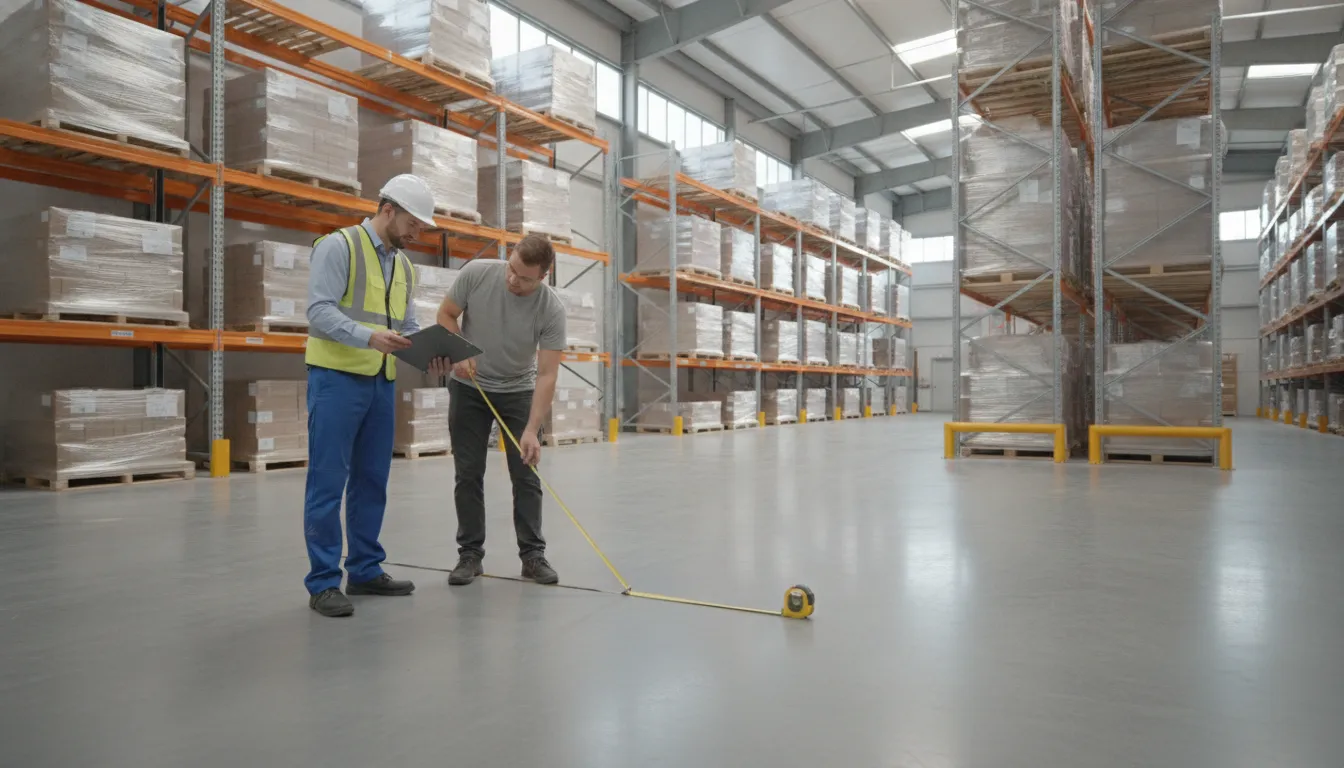
The cost to install epoxy flooring is not a number you can pull off a rate card. Area, slab condition, finish, and how the building runs all change the work. Alliance Epoxy Flooring installs epoxy coatings for commercial and industrial spaces across New York, New Jersey, and Pennsylvania. A useful quote starts with a free on-site assessment and a written scope, not a square-foot guess.
Call (800) 518-9080 or get a free estimate.
Use the checklist below to gather what an estimator needs. For typical industry budgeting bands, read the epoxy installation costs guide. Those bands are planning examples, not an Alliance price.
What the cost to install epoxy flooring should include
A written install quote should name the area, the prep, the system, and the conditions that can change the work. It is not square footage times a published range. Two rooms of the same size can need very different prep. One may be bare, sound concrete. The other may hide an old sealer, a patched crack, or a damp joint.
Ask the proposal to spell out these items before you treat the total as comparable:
- Which rooms or zones are in the price, and how the area was measured.
- What prep is included, such as grinding, patching, or removal of an old coating.
- Which system is proposed: solid color, decorative flake, metallic, or colored quartz.
- What is extra, such as anti-slip, cove base, or a moisture treatment.
- Which areas must stay closed, and when foot traffic or equipment can return.
If a line is missing, the low number may simply leave that work out. Compare proposals by the scope, not by the total alone. A lower figure that skips grinding is not a better price. It is a different job.
Alliance does not sell coating kits, and it does not publish a fixed install rate. The business is an installer. Competitive, fair pricing is the stance, not a claim to be the cheapest. The only number that belongs on a budget approval is the written quote after someone has seen the slab.
Measure the area before you ask for a number
Start with a sketch. Mark the rooms, the columns, the drains, and any space the crew cannot reach while the building is open. A warehouse aisle and a back room with tight access are not the same job, even when the square footage matches.
Write the measurement in a way a stranger can check. Length and width of each zone are more useful than one building total. Call out mezzanines, ramps, and stairs if they are in the project. Say whether the number is the whole slab or only the open floor after racks and equipment stay in place.
Note separate zones if they need different finishes. A customer-facing retail floor and a stock room behind it often should not share one system choice. Say which areas are in this phase and which can wait. Phasing is a scope choice. It should be written down so the first visit prices the work you actually want.
Photos help, but they do not replace a site visit. A picture rarely shows how well an old coating is bonded, how flat the slab is, or where moisture is coming from. Alliance looks at the floor, measures the space, and replies within 24 hours. That reply is a response, not a guaranteed site visit or a finished quote the same day.
If you already have a drawing from the landlord or a prior contractor, attach it. A rough phone photo of a floor plan is enough when no drawing exists. Label the photo with the room name so the estimator is not guessing which corner is the dock.
Describe the slab the installer will coat
The concrete you already have drives prep more than the coating name does. Tell the estimator what you know about the slab before anyone prices a system. Unknowns are fine. Invented certainty is not.
| What to report | Why it changes the install scope | What to send |
|---|---|---|
| Cracks, spalls, or patches | Repairs come before a coating can bond. | Photos, plus where the damage sits. |
| Old paint, sealer, or epoxy | Removal or grinding may be required. | Age, if known, and a close photo. |
| Oil, tire marks, or stains | Contamination can block a bond. | What spilled, and how often. |
| Damp spots or past water | Moisture can add prep or rule a system out. | Where it stays wet, and any source. |
| Drains, joints, and slopes | Edges and transitions add labor. | A sketch of drains and joints. |
Do not assume a basic coating price includes crack repair or coating removal. Those items belong in the written scope. If you are unsure, say so. Guessing that the slab is fine is how a quote and the real floor drift apart.
Walk the space once and note what you see in plain language. A hairline crack across a bay is different from a spall at a dock plate. A stain that wipes up is different from oil that has sat in the paste for years. You do not need to diagnose the cause. You need to point at it.
Moisture deserves its own note. Say whether a corner darkens after rain, whether a vapor barrier was part of the original slab, or whether you simply do not know. A moisture issue can change prep or rule a coating out. It should be assessed on site, not settled from a price band.
For background on concrete as a material, the American Concrete Institute publishes industry guidance. It is not a price list, and it is not a substitute for looking at your slab.
Match the finish to how the floor is used
Name the work that happens on the floor. A warehouse with pallet jacks is not a retail sales floor, and a commercial kitchen is not an office corridor. Traffic, spills, cleaning, and the look you want all point toward a different system.
Alliance installs solid-color epoxy, decorative flake, metallic epoxy, and colored quartz. Those are coatings. Polished concrete, grind-and-seal, staining, and floor waterproofing are separate services. Do not ask for epoxy if what you need is a polish or a sealer. If you are comparing those options, start with the commercial epoxy flooring page, then say which result you care about most.
Be specific about operations when you write the request:
- Foot traffic, carts, pallet jacks, or forklifts, and where each one turns.
- Spills, wash-downs, or chemicals, and what the cleaner is if you know it.
- Sheen, color, and whether the floor should hide dirt or show a clean surface.
- Any written requirement a landlord, health inspector, or insurer already gave you.
A solid-color floor is often the straightforward coating when appearance is simple and the slab is suitable. Flake adds a broadcast texture that many shops and retail spaces want. Metallic is a decorative system with more visual movement, and it is not the default for a high-traffic aisle. Colored quartz is its own build. None of these is universally better. The fit depends on the room.
Food-safe, slip-resistant, chemical-resistant, and forklift-rated are not labels you can claim from a color sample. They depend on the specified system and its product data. Share the requirement and ask how the proposed system addresses it. Employers also have to keep walking-working surfaces clean and able to support their intended load under 29 CFR 1910.22. A coating does not, by itself, meet that duty.
Colored quartz and a custom kitchen build do not have a published Alliance rate. Anti-slip and cove base are extras, and the site does not publish dollar amounts for them. Put those wishes in the request so they are priced, not assumed. If a cove is only needed at a mop sink, say that. Pricing the whole room for a detail you need in one corner wastes scope.
State the operating limits before work is scheduled
An install price that ignores the building's hours is incomplete. Most commercial epoxy work is planned as one to three days, plus more time before heavy use. That is a planning range, not a promise. The slab, the system, and access all move the schedule. Polishing often runs on a different clock. Grind-and-seal is a different service and should not be folded into an epoxy timeline.
Write down the constraints that a crew has to work around:
- Hours the space can close, including nights or weekends if that is truly available.
- Routes that must stay open for deliveries, customers, or staff.
- Equipment, racks, or fixtures that must move, and who moves them.
- Dock, elevator, or stair limits that affect grinding equipment.
- Other trades on site, and any building rules for access or insurance paperwork.
Be honest about what "available" means. A night shift that still crosses the bay is not a closed floor. A weekend that ends with a Monday delivery at 6 a.m. may not leave enough cure time. Put the hard stop in the note so the proposal can say when the surface is ready for feet, for carts, and for heavier loads. Those are three different moments.
Manhattan projects sometimes need after-hours access and coordination with the building. That is a local option to discuss, not a standard schedule for every New York, New Jersey, or Pennsylvania job. Alliance does not publish a job-size minimum, a deposit, or a written warranty term. Ask for those in the proposal if you need them in writing. Do not treat a blog as the place those terms are set.
If only part of the floor can close, say which part. Phasing can be discussed. It does not mean the coating can go down while forklifts keep crossing the wet edge. Also say who will move product. A quote that assumes an empty room will change if the crew arrives to a full racking line.
Access is part of the price even when the coating itself stays the same. A ground-floor bay with a dock is simpler than a room reached by a freight elevator or a tight stair. Name the path the equipment must take. If a certificate of insurance or a building work form is required, mention it early so it is not a surprise on the start date.
Turn the checklist into a request an estimator can use
You do not need a perfect packet. You need enough for a first conversation and a site visit. The estimate form asks for contact details, the service, and the project class: residential, commercial, or industrial. It also asks how soon you want the work, plus city, state, and ZIP. Square footage and floor condition go in the project notes. A street address is optional on the form and still worth adding. Photos are optional and useful.
Commercial and industrial work is the priority. That includes warehouses, plants, retail floors, restaurants, contractors, and maintenance teams. Residential garage jobs are still taken when someone reaches out, but they are not the advertising focus. Long Island is outside the travel area. There is no showroom to visit. The quote comes from the floor itself.
Service is concentrated in New York City, including the boroughs, plus central and south New Jersey and Pennsylvania along the New Jersey border. Dedicated city pages exist for Manhattan, Newark, Jersey City, and Paterson. If your site is elsewhere in the three states, still send the address. Confirming the trip is part of the reply, not something a checklist can promise.
Send this short list with the form:
- Address, approximate area, and a sketch or a few photos.
- Current coating or bare concrete, plus cracks, oil, or damp areas.
- The finish you are considering and how the space is used.
- Hours you can give up the floor, and anything that must stay open.
- Timing: ready now, about 30 days, one to three months, or still planning.
Then read the written scope against that list. Confirm that prep, the named system, add-ons, and return-to-service are each either included or called out as extra. If a proposal is only a price per square foot, ask what that price leaves out. You can compare the result with the epoxy installation costs bands without treating those bands as your price.
A clear packet also saves a second round of questions. Daniel Silva follows up on estimate requests. The more of this list you include, the more useful that follow-up is. Stay with the concrete slab and the coating system you want. Extra floor types outside that scope only slow the written quote.
Call (800) 518-9080 or request a written project quote.
Frequently asked questions
Is the cost to install epoxy flooring a price per square foot?
Only as a budget starting point. Published industry bands can help you plan, but the install price is the written scope for your slab, system, access, and schedule. Use the cost guide for the bands, then ask for a site assessment before you lock a budget.
What should I send before the site visit?
Send the area, photos of damage or old coatings, how the space is used, and when the floor can close. A sketch of drains and tight access helps. The visit still has to happen before the number is final.
Does a basic epoxy price include repairs and moisture work?
Do not assume it does. Cracks, old coatings, and moisture treatment are scope items. If they are not listed, ask whether they are included or priced separately before you accept the total.
How long will the floor be out of service?
Many commercial epoxy installs are planned for one to three days, with more cure time before heavy use. Your slab, system, and access can change that. Get the return-to-service note in the proposal before you book operations around it.
Can I price a kitchen or quartz floor from the epoxy ranges?
No. Colored quartz and custom kitchen systems do not have a published Alliance rate. Describe the space and ask for a project quote instead of stretching a basic epoxy band to cover them.