Decorative Concrete: Types, Colors, Benefits & Care
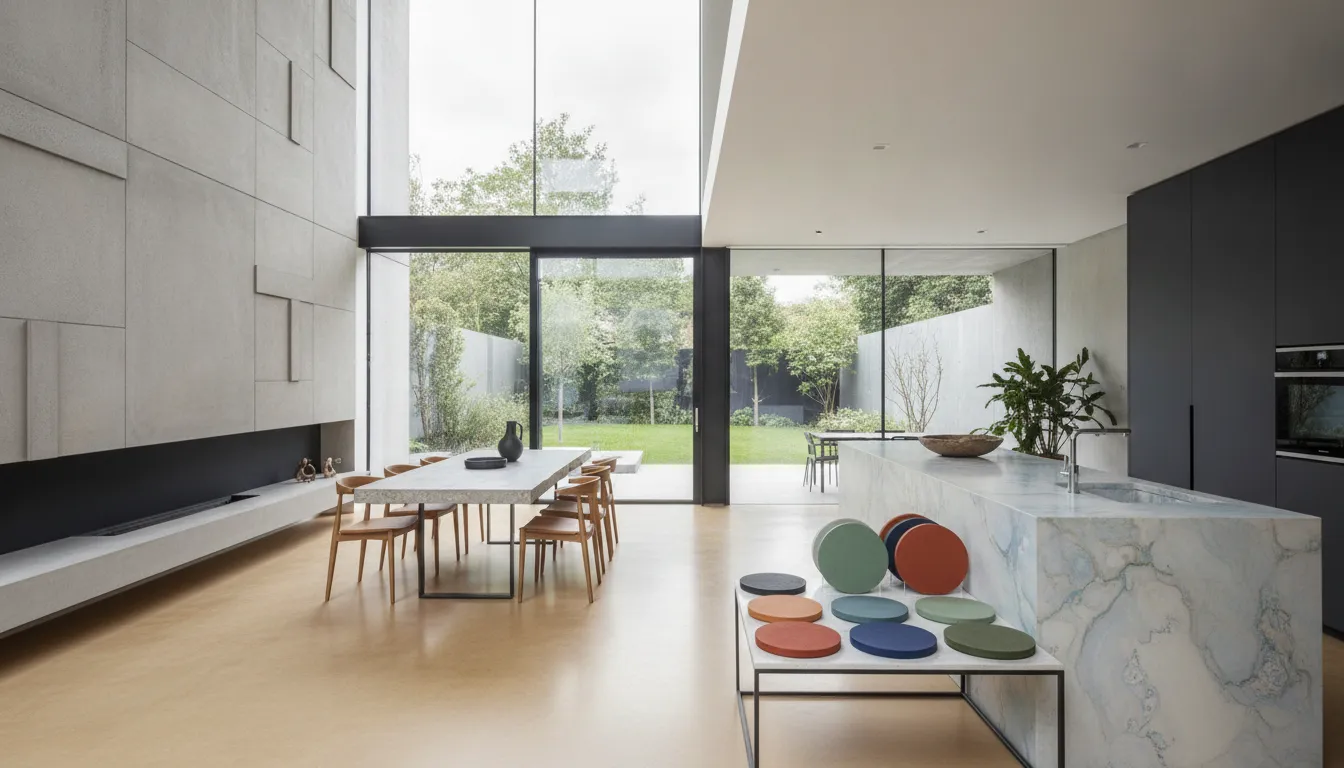
A floor should fit the work happening on it. A warehouse may need to handle carts and equipment, while a commercial kitchen faces frequent cleaning, moisture, and spills. Decorative concrete gives property owners several ways to finish a slab, from staining and polishing to epoxy flake and colored quartz systems. Each option brings different preparation needs, surface qualities, and care requirements. Before settling on a color or texture, consider how people use the space and what the floor needs to withstand. We’ll cover the key finishes, their practical trade-offs, and how to choose an option suited to your building and budget.
Key Takeaways
- Match the finish to the space: Consider traffic, moisture, cleaning routines, appearance, and traction when comparing polished concrete, stains, and coatings.
- Assess the slab first: Cracks, moisture, old coatings, and uneven areas can affect preparation and which finish is suitable.
- Plan for long-term care: Ask about maintenance, product requirements, installation scope, and curing time before choosing a contractor.
What Is Decorative Concrete?
Decorative concrete is concrete finished to add color, texture, or visual interest while keeping the surface useful. Instead of leaving a slab plain gray, a contractor might stain it, polish it, expose its aggregate, or apply a patterned finish. The result can complement a business’s interior, help define different areas, or give an existing concrete surface a more considered appearance.
The term covers several different approaches. Some finishes work with the concrete itself: staining changes its color, while polishing refines the surface. Other systems, such as epoxy flake and colored quartz, add a coating over the slab. Each option has different installation needs and characteristics, so the right choice depends on the slab’s condition and how the space is used. A warehouse floor, for example, may call for different traction and maintenance considerations than a retail store or office.
Decorative concrete can suit a range of commercial spaces and concrete surfaces. Alliance Epoxy Flooring installs polished concrete and epoxy flooring for projects across New York, New Jersey, and Pennsylvania. Before selecting a finish, consider foot or vehicle traffic, cleaning routines, moisture, and the traction people need in the space.
How Color, Texture, and Finish Shape Concrete
Color can make a concrete floor feel warmer, connect it to a company’s branding, or distinguish one area from another. It can come from stains, pigments mixed into the concrete, or a decorative coating. Because lighting changes how colors appear, review samples in the space where the floor will be installed.
Texture and sheen influence both appearance and daily use. Polished concrete has a smooth, refined look, while exposed aggregate brings the stone within the slab into view. Flake and quartz coatings create a varied, textured finish. Each surface has its own cleaning and traction considerations, so discuss how the floor will be used before choosing a style. Stained concrete, for instance, can add visual interest to a restaurant or lobby, while a more textured finish may better suit an area where slip resistance is a priority.
Compare Decorative Concrete and Floor Coatings
Decorative concrete and floor coatings can both change the look of a slab, but they do so in different ways. Staining, polishing, and grind-and-seal treatments work with the concrete surface. A coating, such as epoxy, is applied over the slab as a separate layer. Flake and colored quartz systems are examples of coatings that add color and texture.
The right choice depends on the space and the concrete’s condition. Polished concrete may suit an office or retail floor, while an epoxy system may be considered for an industrial area or commercial kitchen. No finish should be expected to fix underlying slab issues on its own. Ask a contractor to assess the concrete and explain how preparation, repairs, traction, and cleaning requirements affect the finished floor. Depending on the project, a coating may also require specific curing time before the space can return to use.
Which Decorative Concrete Finishes Suit Your Project?
The right decorative concrete finish depends on the slab, the setting, and the work the floor needs to handle. A patio faces rain and temperature changes, while a commercial kitchen needs a surface that can stand up to frequent cleaning. A warehouse or retail floor may need to tolerate steady foot traffic, carts, or equipment. Start by considering how the space is used, then weigh appearance, maintenance, and traction.
Some finishes change the concrete itself. Staining adds color to a cured slab, while polishing refines its surface. Other options, including epoxy flake and colored quartz systems, apply a coating over properly prepared concrete. Stamped and exposed-aggregate finishes are generally planned as part of a new pour. An overlay may refresh certain existing slabs, provided they are in suitable condition.
For commercial and industrial projects, appearance is only one part of the choice. The floor also needs to suit cleaning routines, traffic, and site conditions. Alliance Epoxy Flooring offers epoxy flooring and concrete finishing services across New York, New Jersey, and Pennsylvania. A site assessment can help identify which finishes are compatible with your slab and how much preparation the work may require.
Stamped and Exposed-Aggregate Concrete
Stamped concrete uses patterns pressed into fresh concrete to create the look of materials such as stone, brick, or tile. Exposed-aggregate concrete reveals stones or pebbles in the mix, giving the surface a varied, natural appearance. Both finishes can add visual interest to outdoor areas such as patios, walkways, and driveways.
These finishes are usually planned for new construction or concrete replacement, rather than applied to an existing slab. Stamped patterns can complement a building or landscape design, while exposed aggregate brings visible texture. Traction depends on the aggregate, finish, slope, and conditions, so ask your contractor how the proposed surface will perform when wet. This overview of decorative concrete finishes offers examples of ways concrete can shape an outdoor space.
Stained and Integral-Color Concrete
Concrete stain adds color to a cured slab and can create subtle variation across the surface. It suits spaces such as restaurants, lobbies, and retail stores where the floor contributes to the overall design. Since stain interacts with the concrete, the result depends on the slab’s age, composition, and previous treatments. Ask for a test area to see how a color will look on your floor.
Integral color is mixed into the concrete before it is poured, so the pigment runs through the material. It is an option for new installations when you want color throughout the slab. Stained and integral-color concrete may both need a sealer, which affects sheen, cleaning, and wear. Learn how stained concrete can complement commercial spaces, then discuss samples and sealer choices with your contractor.
Polished Concrete and Grind-and-Seal
Polished concrete is mechanically ground and refined to create a smooth surface. Depending on the slab and the polishing process, the finish can range from a soft sheen to a more reflective look, and some aggregate may show through. It can work well in warehouses, offices, and retail spaces where a clean, durable floor is a priority.
Grind-and-seal also starts with grinding, but a topical sealer provides the final protection and sheen. The sealer offers choices in appearance, though its performance and maintenance needs depend on the product and the site. For either finish, consider traffic, moisture, cleaning routines, and the slab’s condition before deciding. Explore Alliance Epoxy Flooring’s concrete polishing services to learn more about this option for commercial and industrial floors.
Decorative Epoxy Flake and Colored Quartz
Decorative epoxy systems combine a coating with colored flakes or quartz to create a patterned surface. Flake systems are often used in garages and service areas, while colored quartz creates a denser, granular appearance that may suit commercial spaces with specific texture needs. Both can be tailored with different color blends and finish options.
The right system depends on the work happening in the space. Ask the contractor about concrete preparation, coating thickness, chemical exposure, cleaning methods, and the level of traction the floor needs. For a commercial kitchen or food preparation area, confirm that the system meets project requirements and clarify installation and curing time before scheduling work. Review Alliance Epoxy Flooring’s epoxy flooring options to see how coating systems can be selected for different commercial and industrial settings.
Overlays and Textured Finishes for Existing Concrete
A decorative overlay adds a new surface over existing concrete. Depending on the product and preparation, it can introduce fresh color, texture, or pattern without replacing the entire slab. An overlay may suit a patio, walkway, or selected interior floor when the concrete is sound and compatible with the chosen system.
Overlays are thin, so they are not a solution for major cracks, movement, or deep damage. A contractor should inspect the slab and determine whether repairs or other preparation are needed before installation. Texture also affects how a floor feels, cleans, and performs underfoot, so match it to the space’s use. Read about the limitations of decorative concrete overlays, then ask a contractor to assess your concrete before selecting a finish.
How Do You Choose Decorative Concrete Colors and Textures?
Start with the way the space looks, then consider how people use it every day. Lighting, nearby finishes, foot traffic, spills, and cleaning routines can all affect which decorative concrete option makes sense. Reviewing samples in the actual space can help you choose a finish that looks right and works for the conditions.
Choose Natural Tones, Subtle Patterns, and Matte Finishes
Natural shades such as gray, tan, and warm brown can complement many interiors without drawing too much attention from displays, equipment, or furnishings. If you want more visual interest, a restrained pattern or a decorative flake blend can add variation while keeping the floor cohesive.
Sheen also changes the feel of a space. Matte finishes soften reflections from bright fixtures and windows, while glossier surfaces reflect more light. Compare samples under the lighting used in your building, since the same color can look different in natural and artificial light. The Coloscapes guide to decorative concrete shares examples of natural palettes and subtle patterns.
Match Color, Sheen, and Texture to Your Space
Consider the room’s purpose and existing features before choosing a finish. Polished concrete can suit offices, showrooms, and retail spaces where a smooth, light-reflective surface fits the design. Explore polished concrete flooring to see how this option can work in commercial settings. Stained concrete, grind-and-seal, and decorative epoxy systems offer other looks and surface qualities.
Compare samples with permanent features such as walls, cabinetry, shelving, and equipment. Think about how the floor will appear in both bright and low light, and whether the sheen suits the room’s overall style. A commercial concrete finish guide explains how color, sheen, and texture contribute to a project’s look.
Balance Appearance, Traction, and Cleaning Needs
In areas exposed to water, grease, or frequent foot traffic, consider traction alongside appearance. Textured epoxy and colored quartz systems can be designed for added grip, but the right finish depends on the specific conditions and cleaning routine. Alliance Epoxy Flooring offers commercial and industrial flooring services, including slip-resistant options.
Texture can affect maintenance, too. Deeper textures may take more effort to clean, while smoother surfaces can be easier to wipe down but may not suit every wet area. Ask your contractor how the proposed finish performs under expected use and what care it requires. This decorative concrete overview discusses practical trade-offs between appearance, traction, and upkeep.
Where Does Decorative Concrete Work Best?
Decorative concrete works in spaces where a durable floor also needs a finished, intentional look. The best option depends on how the area is used, how much traffic it receives, and what the surface must withstand. Polished concrete may suit an office lobby, while a textured coating may be more appropriate for a busy work area where traction matters.
Consider cleaning routines, moisture, spills, equipment, and the condition of the existing slab before choosing a finish. Staining and polishing can highlight concrete’s natural character, while epoxy flake and colored quartz systems add color and texture. Alliance Epoxy Flooring offers epoxy flooring and concrete polishing for a range of commercial and industrial spaces.
Warehouses and Industrial Floors
Warehouse and industrial floors face frequent foot traffic, carts, forklifts, and occasional impact. Decorative concrete can give these spaces a more polished appearance while retaining the practical qualities of a concrete floor. Depending on the slab and site requirements, options may include polished concrete, grind-and-seal, or an epoxy coating. High-traffic areas often benefit from durable finishes that are relatively straightforward to clean and maintain, as noted in this overview of decorative concrete for busy spaces.
Choose the finish around the work taking place, not just the desired appearance. A glossy surface may suit some facilities, while areas exposed to spills or washdowns may need a finish selected with traction in mind. Discuss traffic, cleaning methods, and possible exposure to oils or chemicals with your contractor. Alliance Epoxy Flooring’s commercial flooring services serve demanding properties across New York, New Jersey, and Pennsylvania.
Offices, Retail Stores, and Commercial Kitchens
Offices and retail spaces can use decorative concrete to create a distinctive look without giving up a hard-wearing floor. Stained concrete adds color and variation, while polished concrete offers a clean, reflective finish suited to lobbies, showrooms, and shared areas. In restaurants and other creative commercial interiors, stained concrete can help the floor complement the overall design.
Commercial kitchens have different needs. Frequent cleaning, spills, and heavy use make hygiene and traction essential considerations. A coating specified for food-service environments, paired with a suitable slip-resistant finish, may be a better choice than a highly polished surface. Before selecting a system, talk with your contractor about cleaning procedures, exposure to hot water or chemicals, and applicable food-safety requirements. Confirm that the proposed materials and installation meet the needs of your kitchen.
Garages and Residential Spaces
Garages often see vehicle traffic, dirt, dropped tools, and household spills, making them a practical place for decorative concrete. A coating can add color and protect the slab, while a flake finish creates a textured, varied appearance. Think about how you use the space: a workshop may need a floor that is easy to clean and comfortable to walk on, while a storage garage may have different priorities.
Decorative finishes can also work in basements, utility rooms, and other residential areas with concrete floors. Check for moisture, cracks, and old coatings before installation, since these conditions can affect preparation and adhesion. Garage floors are a common application for decorative concrete, in part because they can be simple to clean and maintain. Ask your contractor about care requirements and how long to wait before parking or returning stored items.
Patios, Driveways, Walkways, and Outdoor Areas
Patios, driveways, and walkways need to handle moisture, changing weather, and regular use. Decorative options include stained concrete, exposed aggregate, and textured finishes, each offering a different appearance and surface feel. These approaches bring design flexibility to outdoor areas while keeping the concrete base. Explore examples of decorative concrete applications to see how finishes can suit patios, driveways, and other surfaces.
Choose an exterior finish with the site’s conditions in mind. Rain, snow, shade, and drainage can affect how the surface performs, and a very smooth finish may become slippery when wet. Ask about traction, sealing, and seasonal care before deciding. Existing concrete should also be inspected for cracks, scaling, or moisture concerns, which may need attention before a new finish is installed.
What Are Decorative Concrete’s Benefits, Limits, and Common Misconceptions?
Explore Durability, Design Flexibility, and Long-Term Value
Decorative concrete can pair a distinctive appearance with the strength of a concrete floor. Staining, polishing, exposed aggregate, and coating systems offer different colors and textures, giving you options beyond plain gray. The right finish depends on how the space is used: a retail floor may call for a refined look, while a warehouse needs a surface suited to equipment and steady foot traffic.
Long-term value comes from choosing a finish that fits the conditions and following its care recommendations. No surface is indestructible, but a well-matched system can serve a space for years with appropriate maintenance. Polished concrete is one option to consider for durable interior floors. Its appearance and performance depend on the slab, the level of polishing, and the demands of the space.
Consider Maintenance and Cost
Care requirements vary by finish and setting. Polished concrete typically needs routine dust removal and damp mopping with a suitable cleaner. Coated floors may need prompt spill cleanup and periodic checks for wear, particularly in busy areas. Outdoor concrete also needs care suited to exposure, drainage, and seasonal conditions.
When comparing estimates, look beyond the initial installation price. Surface preparation, repairs, finish choice, traffic levels, and ongoing maintenance all affect the overall cost. A less expensive finish may require more attention in a demanding space, so ask what the quote includes and what care the floor will need. Alliance Epoxy Flooring offers flooring services for a range of commercial and industrial environments, with options selected to suit the project.
Know What Decorative Concrete Can—and Cannot—Conceal
Decorative finishes can refresh a sound slab, but they do not replace repairs to serious concrete damage. Thin overlays, for example, follow the surface beneath them and may not conceal major cracks, movement, or uneven areas. If underlying problems are left unaddressed, defects may show through or affect the finished system.
Before choosing a color or texture, have the slab assessed for cracks, moisture concerns, contamination, and existing coatings. A contractor can recommend repairs and preparation based on what they find. Ask which defects can be addressed and what may remain visible after installation. This overview of decorative overlay limitations explains why overlays are not intended to hide significant damage.
Expect Possible Cracks, Stains, and Wear
Concrete can crack, and a decorative treatment does not prevent every crack from forming. Existing cracks may remain visible, while new ones can develop as a slab shifts or responds to changing conditions. Stains and wear are also possible, especially when spills are left in place or equipment and foot traffic repeatedly use the same routes.
You can limit avoidable damage by selecting a finish suited to the space, cleaning spills promptly, and following recommended care instructions. In industrial areas, consider the chemicals, loads, and cleaning methods the floor will encounter. Ask how existing joints and cracks will be handled, and what repairs may look like if damage occurs later. Decorative concrete can provide a practical, attractive surface, but its appearance may change with use and time.
Understand How Finish and Conditions Affect Slip Resistance
Slip resistance depends on more than the finish name. Surface texture, sealer, slope, drainage, footwear, and contaminants such as water, grease, or dust all affect traction. A polished surface may suit some dry interior areas, while a commercial kitchen or washdown zone may call for a different finish designed for wet conditions and frequent cleaning.
Discuss the conditions in each area before selecting a surface. Ask how the proposed finish performs when wet, how it should be cleaned, and whether a textured or slip-resistant system is appropriate. More texture can support traction, though it may also collect dirt or take longer to clean. For kitchens, confirm that the specified coating meets the project’s food-environment requirements. Alliance Epoxy Flooring provides epoxy flooring systems with options for demanding spaces, including slip-resistant finishes.
Can You Transform Existing Concrete With Decorative Finishes?
Often, yes. Staining, polishing, sealing, overlays, and coatings can give an existing slab a new appearance without replacing it. The best option depends on the concrete’s condition and how the space is used. A commercial kitchen, warehouse, and retail store each place different demands on a floor, so start with an assessment of the slab and the needs of the space.
Stain, Polish, or Seal an Existing Slab
If the concrete is sound, staining, polishing, or sealing may be enough to refresh it. Stains add color while letting natural variations in the slab remain visible. Polishing refines the concrete into a smooth finish, while a sealer adds a protective layer suited to the floor’s use.
Each finish has different preparation and care requirements. For example, polished concrete can be a practical choice for commercial interiors where durability and straightforward maintenance matter. See Alliance Epoxy Flooring’s concrete polishing services to learn more about this option for existing floors.
Apply Overlays, Flake, or Quartz Systems
An overlay or coating can change the look of a slab without full concrete replacement, provided the surface is stable and properly prepared. Thin decorative overlays can refresh a floor, but they are not designed to cover major damage or correct structural problems. Learn more about how decorative overlays can enhance concrete.
Epoxy flake and colored quartz systems offer additional color and texture options for commercial and industrial floors. The appropriate system depends on the condition of the concrete and the demands of the space. Review Alliance Epoxy Flooring’s epoxy flooring options when considering a coating for your project.
Inspect and Repair the Slab Before Installation
A decorative finish depends on the concrete beneath it. Before installation, check for cracks, pits, uneven areas, moisture concerns, old coatings, and signs of movement. Some surface damage can be repaired, but persistent moisture or significant cracking may affect how well a finish bonds and how it looks over time.
A contractor can assess the slab and identify the preparation or repairs needed before work begins. This step also helps determine whether staining, polishing, an overlay, or a coating is suitable. Proper preparation matters: concrete finishes rely on a stable surface, and a new finish should not be treated as a repair for an underlying concrete issue.
Choose a Finish That Suits the Concrete’s Condition
Match the finish to both the slab and the space. A sound, relatively smooth floor may suit staining or polishing. A worn surface could need repairs followed by a coating, while uneven or damaged concrete may require more extensive preparation. The right choice depends on the condition of the slab, not just the appearance you want.
Consider daily use as well. A warehouse, commercial kitchen, and retail floor have different needs for traction, cleaning, and wear resistance. Decorative finishes can improve a slab’s appearance, but they cannot hide every defect or prevent future movement. Commercial concrete finishes can be tailored to the existing surface, so discuss the slab’s condition and the room’s requirements with your contractor before selecting a system.
How Do You Maintain Decorative Concrete?
Decorative concrete needs routine care, but the right approach depends on its finish and the conditions it faces. A polished indoor floor, a sealed patio, and a coated warehouse floor won’t all have the same maintenance needs. Follow your installer’s instructions for cleaning and resealing, and check before using a new product.
Remove Dust and Clean Spills Promptly
Sweep or dust-mop regularly to remove grit before foot traffic scratches or dulls the surface. In busy spaces, adjust the cleaning schedule to how quickly dirt accumulates. Damp-mop with clean water or a cleaner approved for the finish, and avoid leaving standing water behind.
Clean up oil, food, and chemical spills promptly. This helps limit staining and reduces the chance of a slippery surface. Regular sweeping and mopping can help preserve decorative concrete’s appearance, though the best routine depends on the finish and sealer. Learn more about decorative concrete and its care needs.
Use Products Suited to the Finish
Choose cleaning products for the specific surface, whether it’s stained, sealed, polished, or coated with decorative epoxy. A product that works on one finish may dull or damage another. Check the manufacturer’s care instructions or ask your flooring contractor before trying something new. Testing a cleaner on a small, inconspicuous area can help you check its effect first.
Avoid harsh chemicals, abrasive pads, and unapproved solvents, which may wear down a sealer or affect the finish. Use a cleaner designed for polished concrete on polished floors, and follow the coating manufacturer’s guidance for epoxy systems. If you’re unsure which care routine fits your floor, explore the available flooring services and ask a contractor for recommendations.
Protect High-Traffic Areas and Follow Resealing Guidance
Entryways, loading zones, aisles, and workstations often need more attention than areas with lighter use. Place walk-off mats where suitable, remove grit frequently, and use protective pads under movable equipment or furniture. In warehouses and other industrial spaces, keep an eye on traffic lanes, where abrasive debris and repeated equipment movement can wear a finish more quickly.
Resealing needs depend on the concrete finish, the product used, and the amount of wear. Don’t rely on a set schedule without checking the installer’s recommendations. Look for signs of wear, such as a change in appearance or reduced protection, and ask your contractor when professional maintenance is appropriate. High-traffic areas may need more frequent care to preserve their decorative finish, as decorative concrete maintenance guidance notes.
Adapt Care for Indoor, Outdoor, and Industrial Use
Indoor floors can collect tracked-in grit and face spills, foot traffic, or vehicle use. Outdoor concrete has added exposure to rain and changing temperatures, so confirm that its finish and sealer suit the site. Clear debris regularly, keep drains open, and follow the installer’s recommendations for protecting the surface from moisture and weather.
For commercial and industrial floors, build the cleaning routine around the work taking place. A kitchen may need prompt spill cleanup and products compatible with its coating, while a warehouse may require frequent dust removal and extra attention to traffic lanes. For polished concrete, ask your installer about cleaning methods that protect the finish. Alliance Epoxy Flooring provides concrete polishing for commercial and industrial spaces.
How Do You Choose a Decorative Concrete Contractor?
Choose a contractor who can match the finish to your space, prepare the slab properly, and explain how the floor will perform over time. Before comparing bids, describe how the area is used, what conditions the floor faces, and when the space needs to reopen. Ask for the proposed work and key details in writing so you can compare contractors on scope, schedule, and price.
Confirm Experience With Your Finish and Project Conditions
Ask contractors about completed projects using the finish you’re considering. Decorative options range from stained or polished concrete to stamped patterns, exposed aggregate, epoxy flake, and colored quartz. Each system calls for different materials and installation methods, so experience with one finish may not translate directly to another. Request photos of similar work and, if possible, references from customers with comparable spaces.
Explain the conditions your floor needs to handle, including foot or vehicle traffic, equipment, moisture, and cleaning routines. A warehouse, retail entrance, and commercial kitchen all have distinct demands. Ask how the contractor would account for those conditions when recommending a finish. This guide to choosing a commercial concrete finish can help you identify factors to discuss.
Ask About Preparation, Repairs, and Slip Resistance
A durable finish depends on the condition of the concrete and the preparation behind the installation. Ask how the contractor will inspect the slab, remove existing coatings or contaminants, and address cracks, uneven areas, or moisture concerns. The written proposal should explain this work, not simply name the final finish. If the slab has damage or an existing coating is failing, ask how those issues could affect the result.
Talk about traction as well, especially in areas exposed to water, grease, or frequent foot traffic. A smooth, glossy finish may not suit every location. Ask what slip-resistant options are available and how texture could affect routine cleaning. The right choice depends on how people use the floor and what spills or debris are common. This overview of textured concrete for commercial spaces explains why texture can matter in busy environments.
Review Scope, Price, Schedule, Insurance, and Maintenance Guidance
Compare proposals line by line. A clear scope should identify the materials and finish, surface preparation, repairs, installation area, and any excluded work. Confirm the price, payment schedule, and expected start and completion dates. Ask what conditions could change the cost or schedule, and how the contractor will separate work areas if your business remains open during installation.
Verify the contractor’s insurance and ask for documentation. Before signing, request care instructions, including recommended cleaners and whether the floor will need resealing or other periodic maintenance. These details help you understand the time and cost involved in caring for the floor after installation. When weighing options, this guide to decorative concrete’s benefits offers helpful context on durability and maintenance.
Confirm Food-Safe Requirements and Curing Time
If the floor is for a commercial kitchen, food-processing area, or another space with sanitation requirements, explain the intended use before choosing a system. Ask the contractor to identify the proposed products and provide documentation for review. Confirm that the materials suit your facility’s requirements and cleaning procedures. A general claim that a floor is “food-safe” is not a substitute for checking product specifications and applicable standards.
Ask how long the specific system needs to cure, and when staff can walk on it, clean it, or move equipment back into place. Curing time depends on the product, site conditions, and installation details. Get a written timeline with these milestones so you can plan around downtime. Some coatings are designed to cure quickly, but the contractor should confirm the expected schedule for your project rather than relying on a general estimate.
Choose a Contractor With Local Experience in New York, New Jersey, and Pennsylvania
A contractor with regional experience may be familiar with local project logistics, building conditions, and applicable requirements. Ask about comparable work in New York, New Jersey, or Pennsylvania, and discuss access, staging, ventilation, and how installation will fit around deliveries, customers, or production. These practical details can affect how smoothly work proceeds, particularly in an active commercial or industrial space.
Check references and examples from projects with similar uses and traffic levels. Confirm who will oversee the installation, how the team will share updates, and whom you can contact with questions. Alliance Epoxy Flooring serves businesses across the region, with options such as commercial epoxy flooring and polished concrete. Choose a contractor whose experience fits both the finish you want and the demands of your space.
Frequently Asked Questions
Is decorative concrete the same as epoxy flooring?\ No. Decorative concrete includes several ways to finish a slab, such as staining or polishing the concrete itself. Epoxy flooring is a separate coating applied over prepared concrete. The best fit depends on the slab and the space’s daily demands.
Can decorative concrete be installed over any existing floor?\ Not necessarily. The concrete needs to be stable and compatible with the chosen finish. Moisture, old coatings, cracks, and surface damage can affect preparation and installation, so have the slab inspected before choosing a system.
What decorative floor works best in a commercial kitchen?\ There isn’t one ideal option for every kitchen. Consider frequent cleaning, spills, traction, and the products used on the floor. Ask the contractor to identify the proposed materials and confirm they meet your facility’s requirements.
How long does decorative concrete installation take?\ The timeline varies with the floor’s size and condition, the preparation required, and the finish selected. Coatings also need time to cure before the area can return to service. Ask for a project-specific schedule that explains when people and equipment can use the floor.
How should I compare decorative concrete estimates?\ Compare the full scope, not only the total price. Check whether each estimate includes surface preparation, repairs, materials, installation, curing time, and care instructions. Clarify exclusions and possible schedule changes before approving the work.