 Alliance
How to Choose an Epoxy Floor System for Your Facility
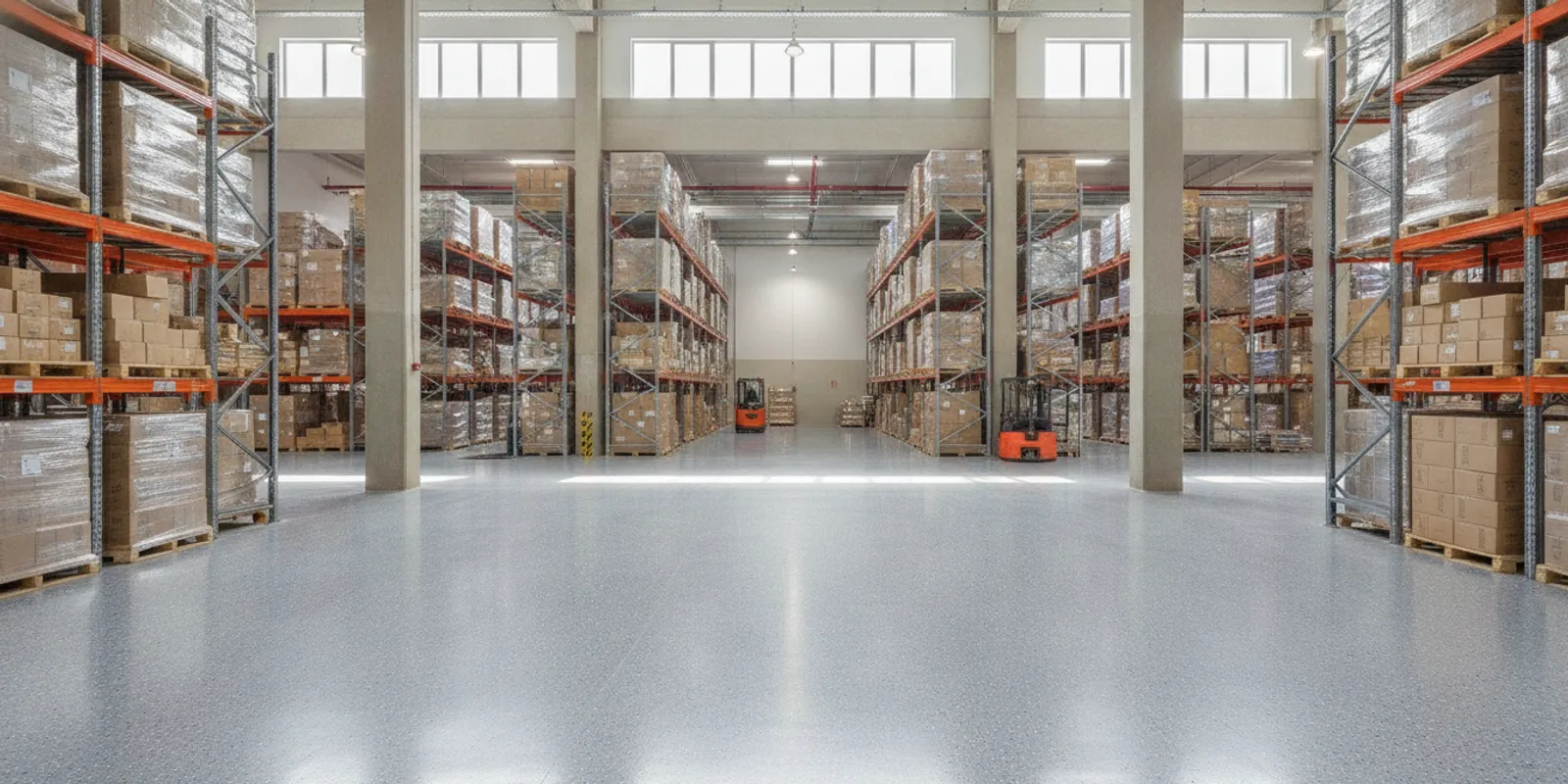
Knowing how to choose an epoxy floor system starts with the work happening on the floor, not the color chart. A warehouse aisle, commercial kitchen, retail space, and service area place different demands on a coating. Before comparing finishes, document traffic, spills, cleaning routines, moisture concerns, and the condition of the concrete. That gives an installer the context to assess the slab and recommend a suitable system.
What should you define before choosing a system?
Start by describing how the space operates during a normal shift and during its busiest periods. A coating decision based only on appearance can miss the conditions that affect preparation, system selection, and return to service. A useful facility review covers several points:
- Traffic: Note the movement of people, carts, equipment, and vehicles; where they turn, stop, and repeatedly travel; and whether loads are concentrated in specific aisles.
- Exposure: List the liquids, materials, and spills the floor may encounter. Identify wash-down areas and locations where standing water or moisture is a concern.
- Cleaning: Describe the cleaning method, frequency, and products used. The system should be discussed in the context of the actual maintenance routine.
- Traction: Mark wet transitions, ramps, drains, and areas where people may track in water or residue. A texture choice can affect both footing and cleaning effort.
- Appearance: Decide whether a consistent solid color, decorative finish, or a more reflective look suits the operation. Consider how the floor should look under the facility's lighting.
- Access and downtime: Identify operating hours, delivery routes, restricted areas, and any staged work requirements. The installation and cure plan needs to account for continued facility use.
These details help distinguish a genuine system requirement from a preference. For example, a decorative finish might be appropriate in a customer-facing area, while an industrial work zone may prioritize a practical surface and a clearly planned shutdown. The final choice still depends on a site assessment and the specific products proposed.
Which epoxy system styles might fit?
Epoxy flooring is not one appearance or one uniform build. Alliance installs solid-color, decorative flake, metallic, and colored-quartz epoxy coatings. Each style changes the look, and the facility's use and substrate still need to guide the specification.
| System style | What it offers visually | Questions to discuss |
|---|---|---|
| Solid color | A more uniform color across the floor | What color, sheen, traffic, and cleaning routine fit the space? |
| Decorative flake | Multicolored visual variation within the finish | Which appearance and texture suit the room, and how will the surface be maintained? |
| Metallic | A distinctive, flowing decorative effect | Is this look appropriate for the facility's use and lighting? |
| Colored quartz | A decorative aggregate appearance | What finish and traction considerations need product-specific review? |
The table is a starting point, not a performance specification. An aesthetic label alone does not establish chemical, impact, or slip performance. Ask the installer to identify the proposed system and explain how its components relate to the conditions in your space. The flooring system comparison also notes that flake systems are popular for outdoor projects such as garages, while some prefer metallic systems; that general observation does not determine the right choice for a commercial facility.
For many commercial and industrial projects, the conversation should focus on solid-color, flake, or colored-quartz options and the requirements of the work area. A metallic finish may be considered where its appearance fits the space. View the company's commercial epoxy flooring services to see the installed coating family, then compare it with the facility's actual needs.
How do traffic and cleaning affect the decision?
Traffic is more than a count of people. The type of movement, turning points, repeated routes, and concentrated loads all matter when discussing a floor system. A warehouse with busy travel lanes may need a different assessment from a back room used intermittently. Retail and office spaces may place more emphasis on appearance and routine cleaning, while a commercial kitchen has distinct wash-down and moisture conditions to review.
Map the busiest and most exposed zones instead of describing the entire building as one use. Note areas around entrances, workstations, drains, loading points, and transitions between rooms. If the facility has different operating zones, ask whether they should be evaluated separately. This makes it easier to explain why a single finish or texture may not be the best answer everywhere.
Bring the actual cleaning routine into the discussion. Include the equipment and cleaning products used, how often the floor is cleaned, and how quickly the area must be available afterward. Do not assume that an attractive finish will automatically be easy to maintain under every process. Ask how the proposed surface, texture, and maintenance expectations work together.
What should you check about moisture and the concrete?
A coating is applied to a substrate, so the slab's condition is central to the project. Before selecting an epoxy system, identify visible cracking, previous coatings, damaged areas, stains, and places where moisture is suspected. Share known repairs or recurring water issues with the estimator. These observations do not replace professional assessment, but they help focus it.
Moisture deserves particular attention. Water entering from below, wash-down exposure, and a leak from above are different conditions and may call for different responses. Do not treat a surface coating as a solution to an unidentified moisture source. Ask what evaluation is planned, what preparation the slab needs, and whether the proposed system is appropriate for the conditions found.
Preparation also affects scope. The estimator may need to consider grinding, removal of existing material, patching, or other substrate work before coating. The condition and accessibility of the floor can change the sequence and amount of work. For a broader comparison of installed options, review epoxy flooring versus polished concrete; polishing is a distinct service rather than an epoxy coating.
How should traction and safety questions be handled?
Review where water or other residue may be present, where people change direction, and where transitions occur. A textured or slip-conscious finish may be worth discussing, but no generic description proves how a particular installed floor will perform under every condition. The system and site-specific product information matter.
Ask the estimator to identify the proposed texture and explain its implications for both cleaning and use. If your facility has documented safety or operational requirements, share them before the system is specified. Claims such as a particular slip rating or compliance with a standard should be supported by applicable product and test documentation; do not assume such performance from an option name alone.
How can you plan installation and access?
Project timing depends on the scope, preparation, system, and site. Most commercial epoxy installations may take one to three days, with additional cure time before heavy use; that is a general planning range, not a deadline or guarantee. Coordinate the work around deliveries, production, customer access, and other contractors. Confirm which areas will be unavailable and when they can be used for each level of traffic.
For large or active facilities, ask whether the work can be planned in stages and what access the installation requires. Clarify how equipment and materials will reach the work zone, how adjoining operations will be separated, and what conditions could affect the schedule. Do not schedule a reopening based only on the number of installation days; confirm the system's cure requirements for the actual project.
What should a useful estimate explain?
A written estimate is easier to evaluate when it ties the recommended scope to the facility conditions. Before accepting a proposal, check that you understand:
- Which areas are included and how the measured scope was determined.
- What substrate preparation is included and how existing coatings or repairs are addressed.
- The proposed system style and the components or finish being specified.
- Any texture, cove base, or other requested options, with their scope made clear.
- What the facility must do to prepare the work area and provide access.
- The expected work sequence, estimated installation duration, cure period, and conditions for returning to service.
- Which site conditions or scope changes could affect the final price or schedule.
Published per-square-foot figures, where available, are general industry budgeting examples and not a quote for your facility. Actual pricing depends on the site assessment, preparation, system, and project scope. Alliance provides a free, no-obligation estimate after reviewing the project. For related budgeting context, see the guide to epoxy flooring pricing, and treat any range as an initial planning aid rather than a fixed offer.
How can you prepare for an on-site discussion?
A few practical details can make a site conversation more focused. Prepare the approximate floor area, a simple layout, and the primary use of each zone. Note the busiest traffic paths, cleaning method, known moisture or damage, and any existing coating. If the work must happen within a particular shutdown window, state that early.
Bring questions about how the slab will be assessed, what preparation is anticipated, and what assumptions are built into the proposed system. If you are comparing bids, compare the included scope and preparation as well as the finish name and price. Proposals that describe different work may not be equivalent, even when they use similar system labels.
Request a Free, No-Obligation Estimate
Frequently asked questions
Is one epoxy finish best for every commercial space?
No. Traffic, cleaning, moisture, appearance, traction, and slab conditions vary by facility and even by area within one building. The system should be selected after those conditions are reviewed.
Does a decorative finish determine how the floor performs?
No. A finish style describes appearance, not a guaranteed level of chemical, impact, or slip performance. Ask for the proposed system details and applicable product information for performance requirements.
Can epoxy be installed over any existing concrete floor?
Suitability depends on the concrete and its condition, including existing materials, damage, and moisture concerns. An on-site assessment helps determine preparation and whether the proposed system fits the substrate.
How long will the facility be out of service?
Timing varies with preparation, project scope, system, and cure requirements. Many commercial epoxy installations take one to three days, followed by additional cure time before heavy use; confirm the project-specific schedule before planning a reopening.
Choose around the facility, not a label
The most useful system discussion starts with the operating conditions and the concrete itself. Document how the floor is used, what it encounters, how it is cleaned, and when the facility can provide access. Then review the proposed preparation, finish, and return-to-service plan with an installer so the recommendation and estimate reflect the actual project.